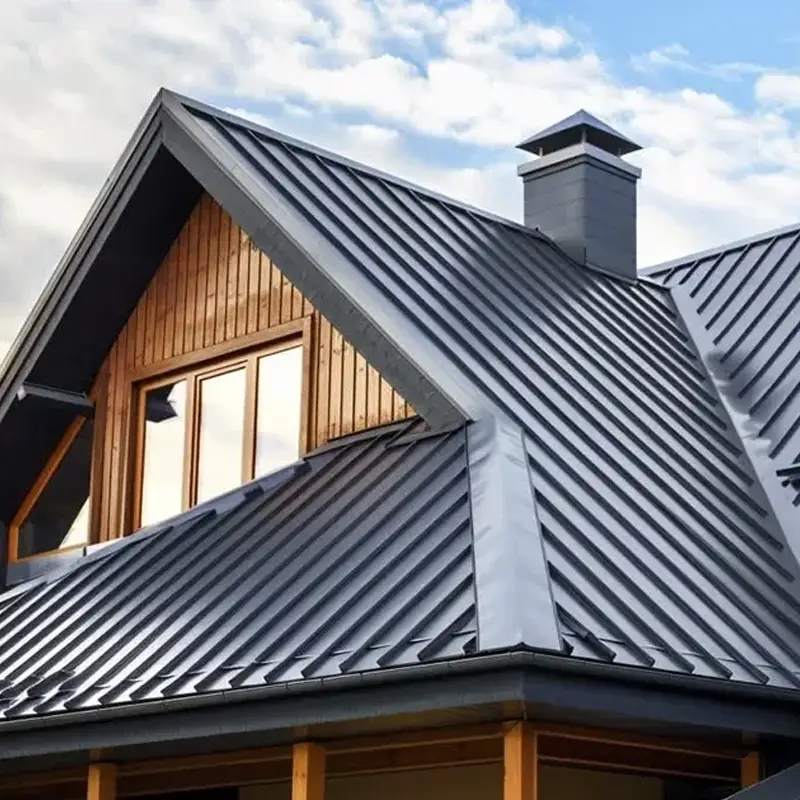
What Is 16 Foot Metal Roofing — and Is It Right for Your Home?
16 foot metal roofing panels are one of the most practical choices for homeowners who want fewer seams, faster installation, and a roof that holds up against severe weather. If you are planning a home upgrade, partnering with The Roof Guys ensures you get expert guidance on the best materials for your property. Here’s a quick summary of what you need to know:
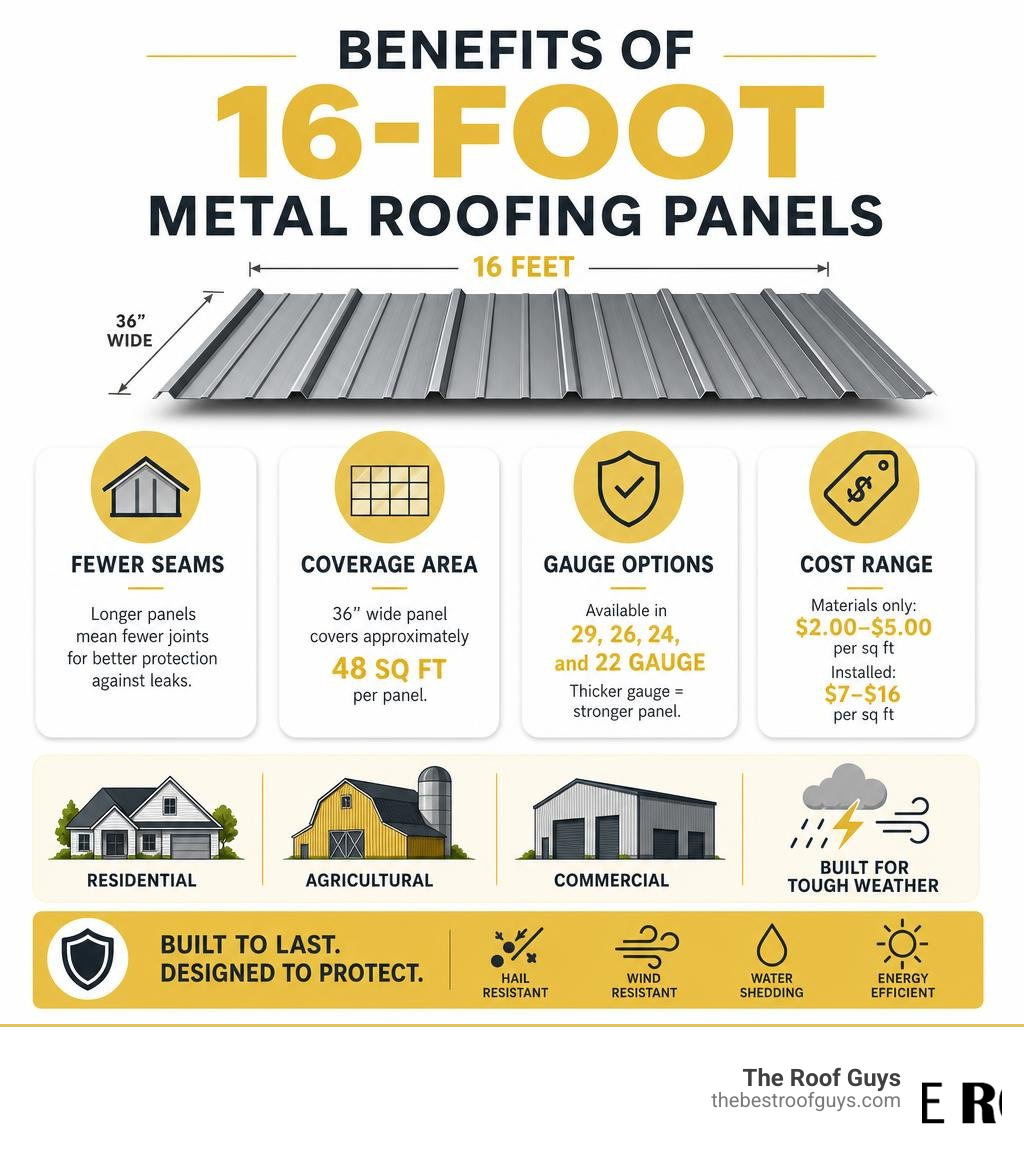
- Panel length: 16 feet — one of the most common lengths for residential, agricultural, and commercial roofing
- Typical width: 36 inches, covering approximately 48 square feet per panel
- Common profiles: Corrugated, R-panel (PBR), Classic Rib, and Standing Seam
- Gauges available: 29, 26, 24, and 22 gauge — thicker gauge = stronger panel
- Material options: Galvanized steel, Galvalume steel, and aluminum
- Price range (materials only): Roughly $2.00–$5.00 per square foot depending on gauge and finish
- Installed cost range: $7–$16 per square foot depending on profile type and labor
Longer panels mean fewer joints, and fewer joints mean fewer places where water can get in. For Texas and Oklahoma homeowners dealing with hail, high winds, and heavy rain, that’s a big deal.
If you’re already exploring your options, our metal roofing services page covers what The Roof Guys offers for residential and storm-damaged roofs across the region.
Metal roofing has earned its reputation over decades — and panel length is one of the most overlooked factors in how a roof actually performs. Choosing the right length, profile, gauge, and coating can mean the difference between a roof that lasts 20 years and one that lasts 50.
This guide breaks it all down clearly, so you can make a confident decision.
I’m Cash Walker, a leadership team member at The Roof Guys with 30+ years of combined industry experience helping homeowners across Greater Houston navigate roofing decisions — including the growing demand for 16 foot metal roofing after storm season. With that background, I’ll walk you through everything from panel profiles and material choices to real-world pricing and installation tips.
Terms related to 16 foot metal roofing:
Profiles and Specifications of 16 Foot Metal Roofing
When selecting 16 foot metal roofing panels, the profile you choose dictates both the visual style of your home and how the roof handles extreme weather. The profile refers to the shape into which the metal sheet is folded. Different profiles offer varying levels of structural strength, water shedding capability, and installation complexity.
For a broad overview of your choices, our Beginners Guide to Metal Roofing Options is an excellent starting point.
The most common profiles available in 16-foot lengths include:
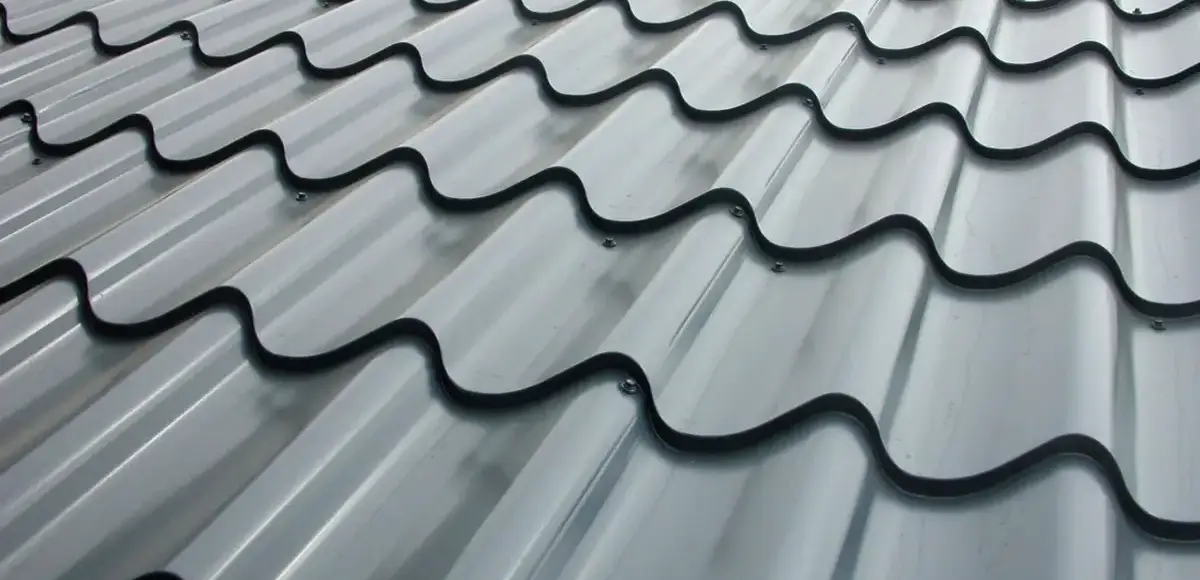
- Corrugated Panels: The classic wave-like pattern. These are highly cost-effective and have been a staple of agricultural and rustic residential designs for generations.
- R-Panel / PBR (Purling Bearing Rib) Panels: PBR panels feature higher ribs than standard R-panels, offering a larger overlap that creates an exceptionally weather-tight seal. They are widely used for both roofing and siding in agricultural, commercial, and residential post-frame buildings.
- Classic Rib Panels: A highly popular residential option featuring a low-profile rib design that offers a clean, traditional look with excellent water-shedding capabilities.
- Standing Seam Panels: The gold standard of metal roofing. These panels feature raised interlocking seams that conceal the fasteners underneath, completely eliminating penetration holes on the surface of your roof.
| Profile Type | Standard Coverage Width | Rib Height | Ideal Application | Fastener Type |
|---|---|---|---|---|
| Corrugated | 24″ to 36″ | 1/2″ to 7/8″ | Residential, Agricultural, Accents | Exposed |
| PBR / R-Panel | 36″ | 1-1/4″ | Commercial, Post-Frame, Siding | Exposed |
| Classic Rib | 36″ | 3/4″ | Residential, Pole Barns, Sheds | Exposed |
| Standing Seam | 12″ to 16″ | 1″ to 2″ | High-End Residential, Commercial | Concealed |
Standing Seam 16 Foot Metal Roofing Systems
Standing seam systems represent the peak of performance and modern aesthetics. Because the fasteners are entirely hidden beneath the metal surface, there are no exposed screws to back out or washers to degrade over time under the intense Texas sun.
For residential roofs, 16-inch standing seam systems are highly sought after. A prominent example is the SL-16 METAL ROOFING panel system, which offers a 16-inch coverage width and a 1-inch rib height. These panels are engineered with high-tensile steel, a premium Galvalume coating, and are Class A UL Fire Rated alongside a UL 2218 Class 4 impact rating — the highest rating available for hail resistance.
On the commercial and heavy-duty residential side, systems like the Nucor VR16 II vertical rib standing seam roof system use specialized short and tall sliding clips. These clips allow the 16-foot panels to expand and contract freely as temperatures swing from freezing winter nights to blistering summer afternoons in Oklahoma and Texas.
Exposed Fastener Profiles for 16 Foot Metal Roofing
Exposed fastener systems are the most budget-friendly metal roofing options. Because they require less specialized labor and simpler trim components, they remain incredibly popular for residential homes, pole barns, and garages.
The classic rib profile is the benchmark for exposed fastener systems. For instance, the 16 ft. Classic Rib Steel Roof Panel in Charcoal is a durable 29-gauge steel option with a 36-inch coverage width and 3/4-inch rib height. This specific panel utilizes the advanced ColorFit40 four-layer coating system, which is highly resistant to chalking, fading, and chipping. These panels are designed to be installed on slopes of 3:12 or greater over solid decking or open framing.
Material Composition, Gauges, and Durability
The longevity of your metal roof is determined by the metal alloy used and its thickness (gauge). In the metal roofing industry, lower gauge numbers indicate thicker, more robust panels.
Here is how different metal materials and gauges stack up:
- Galvanized Steel: Steel coated with a protective layer of zinc. It offers reliable strength and basic corrosion resistance at an affordable price.
- Galvalume Steel: Steel coated with an alloy of aluminum, zinc, and silicon. Galvalume offers up to twice the corrosion resistance of traditional galvanized steel, making it the preferred choice for humid coastal areas like Houston and Pasadena, TX.
- Aluminum: Naturally rust-proof and highly reflective. If you live near saltwater or want the ultimate lightweight, corrosion-resistant roof, read about Why Aluminium Roof Cladding is the Future.
When it comes to thickness, you will generally choose between these four gauges:
- 29 Gauge (0.015 – 0.017 inches): The standard thickness for residential pole barns, sheds, and budget-conscious residential roofs. It is lightweight and economical but more susceptible to denting from large hail.
- 26 Gauge (0.018 – 0.021 inches): The sweet spot for most residential and light commercial applications in storm-prone regions like Tulsa and Oklahoma City. It offers a great balance of strength, dent resistance, and affordability.
- 24 Gauge (0.024 – 0.027 inches): A heavy-duty option preferred for high-end residential standing seam roofs and commercial projects. It resists oil-canning (the visual waving or buckling of flat metal surfaces) and easily withstands heavy wind uplift.
- 22 Gauge (0.030 – 0.034 inches): Ultra-thick structural panels used primarily for industrial facilities or specialized architectural designs requiring maximum load-bearing capacity.
Cost Analysis: Materials vs. Installed Pricing
Understanding the financial investment of a new roof is crucial. When budgeting for 16 foot metal roofing, you must separate the raw material costs from the professional installation fees.
According to the 16 Foot Metal Roofing Pricing and Durability Guide, raw steel metal roofing panels generally range from $2.00 to $5.00 per square foot, depending on the gauge, profile, and paint finish.
For example:
- A 26-gauge SMP (Silicone Modified Polyester) painted corrugated panel costs roughly $1.50 to $2.00 per square foot.
- A thicker, high-performance 24-gauge PVDF (Kynar 500) standing seam panel costs between $2.30 and $2.65 per square foot.
- At retail suppliers like McCoy’s, a basic 29-gauge, 36-inch wide by 16-foot Galvalume panel is priced at approximately $60.99 (covering 48 sq. ft., or about $1.27 per sq. ft. raw).
- At Menards, a heavier 26-gauge galvanized 3′ x 16′ panel sells for around $79.95 (about $1.66 per sq. ft. raw).
However, raw materials are only part of the equation. Professional installation labor accounts for 60% to 70% of the overall cost of a completed metal roof.
When fully installed by a professional contractor, the total cost per square foot breaks down as follows:
- Exposed Fastener / Corrugated Metal Roof: $7.00 to $12.00 per square foot installed.
- Concealed Fastener / Standing Seam Metal Roof: $10.00 to $16.00 per square foot installed.
Key Cost Factors for 16-Foot Metal Panels:
- The Paint System: SMP paint is highly cost-effective, but PVDF (Kynar 500) coatings offer superior UV protection and color retention, which is critical for preventing fading under the hot southern sun. PVDF typically costs 30% to 40% more than SMP.
- Roof Complexity: Roofs with multiple valleys, dormers, chimneys, and steep pitches require significantly more labor, custom flashing, and trim, driving up the installation cost.
- Underlayment Quality: Upgrading from basic organic felt paper to a high-performance synthetic underlayment or a self-adhering ice and water shield adds to the upfront cost but ensures decades of leak-free performance.
- Regional Labor Rates: Labor costs vary across different metropolitan areas, from the Houston suburbs (like Spring, Katy, and The Woodlands) to Conroe, Huntsville, and up into Oklahoma.
Key Benefits and Applications of 16-Foot Panels
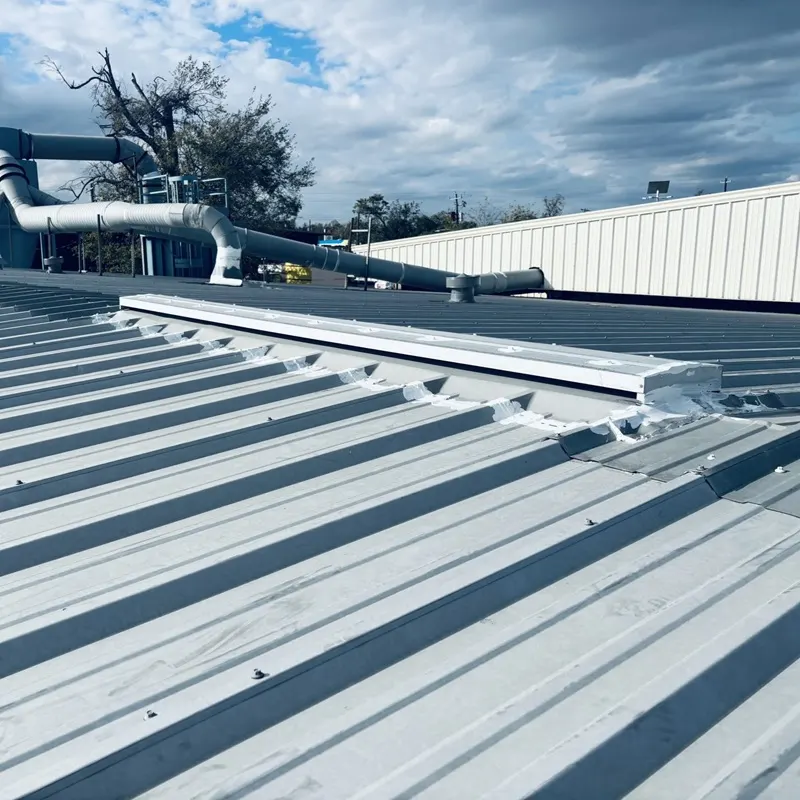
The primary engineering advantage of a 16-foot metal panel is its length. By stretching 16 feet without a single horizontal break, these panels eliminate end-laps (where one panel overlaps another vertically).
Fewer laps mean there are far fewer seams where water can pool, back up, or seep through. This makes 16 foot metal roofing exceptionally leak-resistant, especially on lower-sloped roofs.
These long panels are highly versatile and excel in several key applications:
- Residential Homes: For a standard single-story ranch home or a modern two-story home, a 16-foot panel can often run from the ridge to the eave in a single, unbroken sheet. This creates a clean, vertical aesthetic that makes homes look taller and more modern. Homeowners looking to upgrade can learn more on our residential roofing page. If you are considering a complete upgrade, exploring a full roof replacement can dramatically improve your home’s curb appeal and energy efficiency.
- Agricultural Barns and Sheds: Pole barns and machinery sheds benefit immensely from 16-foot panels. They can be installed quickly over open purlins, providing structural rigidity and rapid water runoff.
- Commercial Warehouses: Large commercial structures use 16-foot PBR panels for both roofing and vertical siding. They offer an economical way to clad massive square footage while meeting strict wind-uplift and fire-resistance building codes.
- Aesthetic Upgrades: Homeowners looking for a bold, contemporary look are increasingly opting for dark, dramatic colors. If you want to make a statement, check out our guide on black metal roofing sheets. For those interested in architectural wall features, corrugated metal cladding is also making waves in modern home design.
To understand how a professional installation maximizes these advantages, read about the benefits of metal roof installation for long-term durability and energy savings.
Installation Considerations for 16-Foot Panels
While 16-foot panels offer incredible benefits, their length introduces specific physical challenges during installation. Metal roofing is not a DIY project; handling long, heavy sheets of steel requires specialized equipment, safety gear, and experienced hands.
Professional installers must carefully manage several critical factors:
- Thermal Expansion and Contraction: A 16-foot steel panel will expand and contract significantly as temperatures fluctuate. If the panels are pinned too tightly with exposed fasteners, the metal will buckle, create “oil-canning” waves, or back the screws out over time. Installers must use correct fastening techniques or sliding expansion clips on standing seam systems to allow the roof to “breathe.”
- Wind and Handling: A 16-foot metal sheet acts like a giant sail in even a light breeze. Carrying, lifting, and aligning these panels on a roof requires a coordinated crew to prevent bending, creasing, or dropping the panels, which can ruin their protective coatings.
- Underlayment Selection: Metal roofs get hot, and they can also trap moisture underneath due to condensation. Using a high-quality, high-temperature synthetic underlayment is essential. It acts as a secondary water barrier and prevents the metal panels from sticking to the underlayment during extreme heat.
- Slope Requirements: Most classic rib and corrugated panels require a minimum roof slope of 3:12 when installed over solid decking. For flatter roofs, specialized standing seam systems with factory-applied sealant are required to prevent water from backing up under the seams.
To ensure your roof is installed to the highest trade standards, trust our certified team for professional roof installation services tailored to the unique climate demands of Texas and Oklahoma.
Frequently Asked Questions About 16-Foot Metal Roofing
How much area does a 16-foot metal roofing panel cover?
A standard 16-foot metal roofing panel with a 36-inch (3-foot) coverage width covers exactly 48 square feet of roof surface.
However, when calculating how many panels you need for a project, you must account for the horizontal overlap (where the edge of one panel laps over the next). Because of this overlap, you should always factor in a 10% to 15% waste and overlap margin to ensure complete coverage.
Can 16-foot metal panels be used for wall cladding?
Yes. 16-foot metal panels—especially PBR and corrugated profiles—are excellent for vertical wall cladding and siding. They are frequently used on post-frame buildings, commercial warehouses, and modern residential accent walls because they provide a continuous, seamless vertical barrier that is incredibly durable and easy to clean.
Where can I buy 16-foot metal roofing panels?
You can purchase 16-foot metal roofing panels through several channels:
- Local Home Improvement Retailers: Major stores like McCoy’s and Menards frequently stock standard 16-foot panels in popular colors like charcoal, forest green, and Galvalume. You can also view online inventories such as the Home Depot 16ft Metal Roofing Selection.
- Specialized Metal Manufacturers: For custom colors, heavier 24-gauge steel, or standing seam profiles cut to the exact inch, ordering directly from regional metal roll-formers is the best option.
- Professional Roofing Contractors: When you work with an experienced contractor like The Roof Guys, we source commercial-grade panels directly from trusted manufacturers, ensuring you receive the highest quality materials, custom trim, and a comprehensive system warranty.
Conclusion
Choosing 16 foot metal roofing is an outstanding investment for your home, barn, or commercial property. By reducing seams, improving water shedding, and offering unmatched durability against the wild weather of the Southern Plains, these long panels deliver incredible long-term value.
At The Roof Guys, we are a family-owned roofing contractor proudly serving Texas and Oklahoma. From Houston, Pasadena, and Katy, up through Conroe, Spring, The Woodlands, Huntsville, and all the way to Tulsa and Oklahoma City, we specialize in high-quality residential and commercial metal installations.
We stand behind our craftsmanship with an industry-leading 10-year warranty, ultra-fast turnaround times, and expert storm response when you need us most.
Ready to see if 16-foot panels are the perfect fit for your home? Get a professional metal roofing estimate from our expert team today to discuss your project!