
Hurricane Roof Damage Repair Services
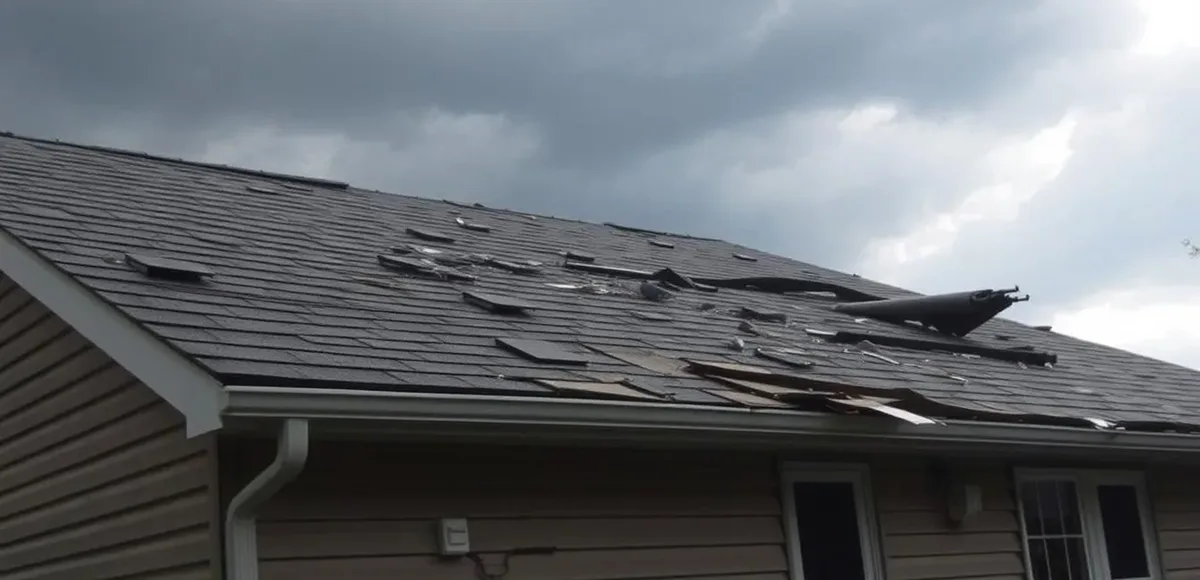
Hurricanes and tropical storms can damage more than just shingles. Wind uplift, wind-driven rain, and debris impacts can compromise edges, flashing, vents, and roof-to-wall transitions, sometimes without obvious missing materials from the ground. The Roof Guys provides hurricane roof damage repair services to help you stabilize the roof, document what happened, and choose the right next step (repair or replacement) based on what your roof system actually needs.
If you need help now, start with a free roof inspection or request a roofing estimate.
What Hurricane Roof Damage Can Look Like
Hurricane damage often shows up at high-stress roof zones, especially at edges, ridges, and penetrations where wind pressure and water intrusion concentrate. Below are the most common patterns we see and why they matter.
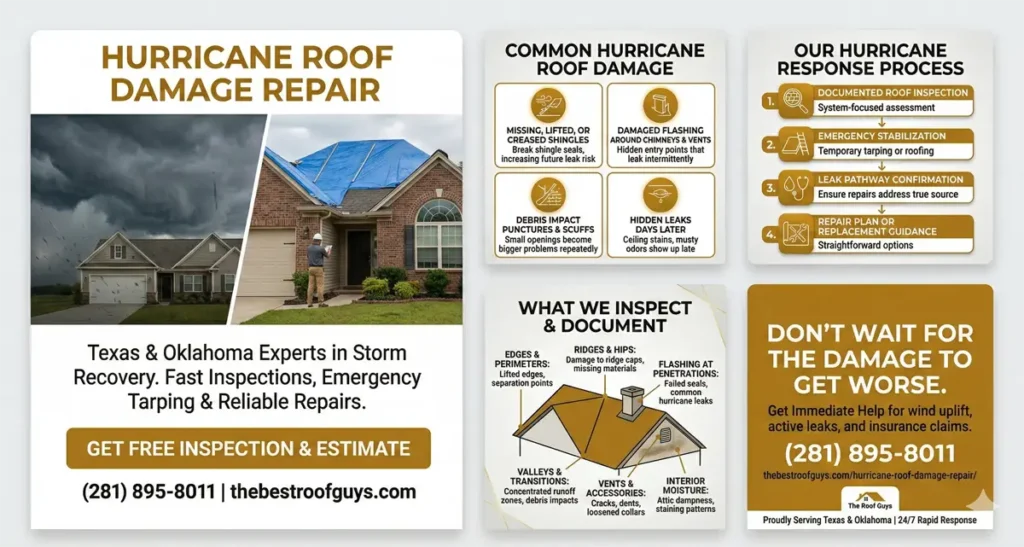
- Lifted, creased, or missing shingles/ridge materials: High winds can break shingle seals and lift edges. Even if shingles appear to “settle back,” compromised seals can increase the chance of wind-driven rain getting underneath during the next storm band.
- Flashing damage around chimneys, walls, vents, and skylights: Flashing is the roof’s water diverter. If it bends, loosens, or separates, it can create hidden entry points that leak intermittently, especially during wind-driven rain.
- Debris impact punctures and scuffs: Limbs and airborne debris can puncture roofing, crack accessories, or damage protective layers. Small openings often become bigger problems when rain repeatedly hits the same weak spot.
- Leaks that appear later: Ceiling stains, damp attic insulation, and musty odors often show up days later, because some leaks only occur under specific wind directions or heavier rainfall after the storm.
- Loose roof accessories (vents, pipe boots, caps): Accessories can become leak points even when shingles look fine, especially if the storm shifted or cracked seals at the base.






What’s Included in Our Hurricane Roof Damage Repair Services
We check the areas hurricanes commonly compromise, edges, ridges, flashing, penetrations, and roof-to-wall transitions.
You get a clear record of what we observed and what it means for leak risk and roof performance.
We separate urgent issues (active intrusion/exposed areas) from items that may be monitored or scheduled.
If the roof is open or leaking, we’ll recommend the safest temporary protection approach while you plan permanent work.
We outline which path is likely to be most reliable based on the scope of damage and overall roof condition.
When work is recommended, we provide a straightforward route to pricing via a roofing estimate.
Why Fast Action Matters After Hurricane Roof Damage
Hurricane roof damage can compound quickly, especially if more rain arrives before permanent repairs are complete. Early action reduces secondary damage and helps you avoid repeated leak cycles.
- Limits how far water spreads: Water doesn’t always drip straight down. It can travel along decking, rafters, insulation, and drywall seams, expanding the damaged area beyond the first visible stain.
- Reduces moisture risk inside the home: Quick stabilization helps protect insulation and interior materials while you plan repairs. For general moisture control guidance, see EPA mold guidance.
- Preserves clear documentation: Photos and a written findings summary help you make better repair vs. replacement decisions and keep your next steps organized.
- Prevents “patchwork” outcomes: When you fix only the obvious spot without understanding the full system impact, you may end up chasing leaks after each storm.
What to Expect When You Call The Roof Guys
We keep hurricane response clear and step-by-step, so you always know what’s happening and what comes next.
Step 1: Documented roof inspection
We start with a system-focused assessment, not just a surface check. Learn what’s included in our roof inspections, then we use findings to recommend the most reliable next step.
Step 2: Emergency stabilization (if the roof is exposed or leaking)
If your roof has an opening, missing materials, or active leaking, temporary stabilization may be recommended to reduce additional water intrusion while permanent work is scheduled. For fast protection, see emergency tarping. For urgent response needs, visit emergency roofing.
Step 3: Leak pathway confirmation (when needed)
Some hurricane leaks only happen during wind-driven rain or when storms approach from a specific direction. When the entry point isn’t obvious, roof leak detection helps ensure repairs address the true source, not just the symptom.
Step 4: Repair plan or replacement guidance
Once we document damage, we’ll explain what’s urgent, what’s repairable, and what’s likely to fail again if left as-is. If targeted work is appropriate, review roof repair. If damage is widespread, we’ll discuss long-term reliability and options for roof replacement.
Hurricane Wind Categories and What They Can Mean for Roof Damage
Wind speed is one of the clearest indicators of potential roof impact, particularly for edges, ridges, and transitions. This table gives you fast context, then your inspection confirms real-world damage and the best fix.
Saffir–Simpson wind scale benchmarks
Hurricane category | Sustained winds (mph) | What we often see on roofs | Smart next step |
Category 1 | 74–95 | Lifted shingle edges, ridge stress, early flashing failures | Schedule a roof inspection |
Category 2 | 96–110 | More widespread uplift at edges, accessory damage, rain intrusion at transitions | Start with storm damage services |
Category 3 (major) | 111–129 | Higher likelihood of missing materials, debris impacts, multiple leak pathways | If exposed/leaking, request emergency tarping |
Category 4 (major) | 130–156 | Significant system stress across slopes/edges; multiple failure points | Use emergency roofing + get an estimate |
Category 5 (major) | 157+ | Catastrophic damage potential; widespread openings and compromised components | Stabilize first, then evaluate roof replacement |
What We Inspect and Document After a Hurricane
Hurricanes stress the entire roof system, not just shingles. This table shows the key zones we inspect and why they matter for reliable hurricane roof damage repair.
Hurricane roof inspection focus areas (system approach)
Roof system area | What we check | Why it matters after hurricanes | Related service |
Eaves, rakes, and perimeters | Lifted edges, edge failures, separation points | Edges are common first-failure zones under uplift | |
Ridges and hips | Ridge cap damage, separation, missing caps | Ridge openings can leak quickly in wind-driven rain | |
Valleys and transitions | Separation, debris impacts, water-channeling issues | Concentrated runoff zones where small issues escalate | |
Flashing at penetrations | Lifted/bent flashing, failed seals | One of the most common hurricane leak pathways | |
Vents and roof accessories | Cracks, dents, loosened collars/boots | Accessories can leak even when shingles look intact | |
Interior moisture indicators | Attic dampness, staining patterns | Confirms active intrusion and likely entry zones |
Why Choose The Roof Guys
When hurricane damage is involved, you need fast clarity and a reliable plan, not guesswork. The Roof Guys focuses on documented inspections, practical next steps, and clear communication from start to finish.
- System-focused inspections: Detailed roof inspections that look beyond shingles to edges, flashing, and penetrations.
- Fast stabilization: Quick help with emergency tarping and emergency roofing when your roof is exposed or leaking.
- Clear repair vs. replacement guidance: Straightforward options for roof repair or roof replacement, backed by a roofing estimate.
- Proof you can review: Browse the project gallery and read testimonials.
Areas We Serve
Licensed Commercial & Residential Roofing Contractor
The Roof Guys – quality materials, expert service, and lasting protection guaranteed.
Insurance and FEMA Recovery Basics After Hurricane Roof Damage
After a hurricane, it’s normal to wonder about coverage and recovery programs. Homeowners insurance coverage depends on your policy terms, deductibles, and the cause of loss, so documentation matters. For a practical checklist, review storm claim tips.
If your area is part of a declared disaster, official guidance and application steps are available at DisasterAssistance.gov and FEMA’s how to apply. (Program availability and eligibility vary by event.)
What You Can Do Right Now After a Hurricane
You can take helpful steps immediately without risking a fall or making the situation worse. This checklist focuses on safety and practical damage control.
- Stay off the roof and avoid ladders in wet/windy conditions: Post-storm surfaces can be slick and structurally uncertain. Safety comes first, especially when debris or power lines may be nearby.
- Check inside first: Look for ceiling stains, attic dampness, or musty odors. Interior symptoms often appear before exterior damage is visible from the street.
- Document visible damage safely: Take ground-level photos of missing materials, debris impacts, and any interior staining. These records help you track changes and make better next-step decisions.
- Contain active drips and start drying: Buckets and plastic sheeting reduce interior damage while you schedule help.
- Schedule an inspection as soon as it’s safe: A professional roof inspection gives you a clear plan and helps prevent repeat leaks.
What Our Clients Are Saying
We believe the best proof of our service comes directly from the homeowners, businesses, and property managers we proudly serve.
24/7 Hurricane Roof Damage Repair in Texas & Oklahoma – Get Immediate Help Now
When a hurricane hits Texas or Oklahoma, roof damage can escalate quickly, leading to water intrusion, structural issues, and costly interior repairs. Don’t wait. Our rapid-response team provides emergency tarping, storm damage inspections, and full hurricane roof repair to protect your home or commercial property fast. We work directly with insurance claims and restore your roof safely and efficiently.
Call now at (281) 895-8011 for immediate hurricane roof damage repair or request your fast emergency inspection today.
The Roof Guys
Business Hours
Monday: Open 24 hours
Tuesday: Open 24 hours
Wednesday: Open 24 hours
Thursday: Open 24 hours
Friday: Open 24 hours
Saturday: Open 24 hours
Sunday: Open 24 hours
Frequently Asked Questions
After a hurricane, signs of damage may include missing or lifted shingles, dented metal panels, ceiling stains, active leaks, granule loss, or debris impact. Even if damage isn’t obvious from the ground, high winds in Texas and Oklahoma can loosen roofing materials. A professional inspection helps confirm hidden structural or moisture issues.
It depends on the extent of the damage. Minor shingle loss or localized leaks may only require targeted repairs, while widespread wind uplift or structural compromise may require a full roof replacement. The Roof Guys perform detailed inspections to determine the most cost-effective and long-term solution.
Immediately. Delaying repairs can allow water intrusion, mold growth, and interior damage to worsen. Emergency tarping should be installed as soon as possible, followed by permanent repairs to prevent additional structural issues.
Costs vary depending on roof size, material type (asphalt shingles, metal, tile), and the severity of storm impact. Minor repairs may cost a few hundred dollars, while extensive damage can reach several thousand. A professional inspection provides accurate pricing based on your specific roof condition.
Yes. Strong winds can loosen shingles, break seal strips, or compromise flashing without immediate water entry. Over time, these weak points can develop into leaks. That’s why post-hurricane inspections are strongly recommended even if you don’t see active water damage.
Common failure points include ridge caps, flashing around chimneys and vents, roof edges, and older shingles. High wind uplift and flying debris often cause the most damage in these areas.
Small repairs can often be completed in one day, while larger structural repairs or full replacements may take several days depending on weather and material availability. The Roof Guys prioritizes storm-damaged homes to restore protection quickly.
FEMA programs and covered repairs vary by event, declaration status, and eligibility. For the most accurate info, check current guidance at DisasterAssistance.gov and FEMA’s home assistance information.
Yes. Wind uplift and wind-driven rain can compromise flashing and roof details without obvious missing materials. Some leaks only show up under specific wind directions or heavier rainfall after the storm.
How Can We Help?



Our Roofing Services
Why Choose The Roof Guys
When hurricane damage is involved, you need fast clarity and a reliable plan, not guesswork. The Roof Guys focuses on documented inspections, practical next steps, and clear communication from start to finish.
- System-focused inspections: Detailed roof inspections that look beyond shingles to edges, flashing, and penetrations.
- Fast stabilization: Quick help with emergency tarping and emergency roofing when your roof is exposed or leaking.
- Clear repair vs. replacement guidance: Straightforward options for roof repair or roof replacement, backed by a roofing estimate.
- Proof you can review: Browse the project gallery and read testimonials.
The Roof Guys
Business Hours
Monday: Open 24 hours
Tuesday: Open 24 hours
Wednesday: Open 24 hours
Thursday: Open 24 hours
Friday: Open 24 hours
Saturday: Open 24 hours
Sunday: Open 24 hours

Get Started
Have questions about your roof? Ready to start your next roofing project? Whether you’re dealing with storm damage, a leaky roof, or planning a complete roof replacement, our team is here to help.
How Can We Help?