Why Corrugated Metal Cladding Is Taking Over Roofs and Walls in Texas and Oklahoma
Corrugated metal cladding is one of the most durable, weather-resistant building materials available for Texas and Oklahoma homeowners today. As a trusted roofing contractor in Texas and Oklahoma, we help property owners choose exterior systems that stand up to hail, heat, wind, and heavy rain. If you’re dealing with storm damage, aging siding, or a roof that keeps leaking after every hail event, this guide will help you compare the top corrugated metal panel options on the market. When you are ready to take the next step, explore our metal roof installation services.
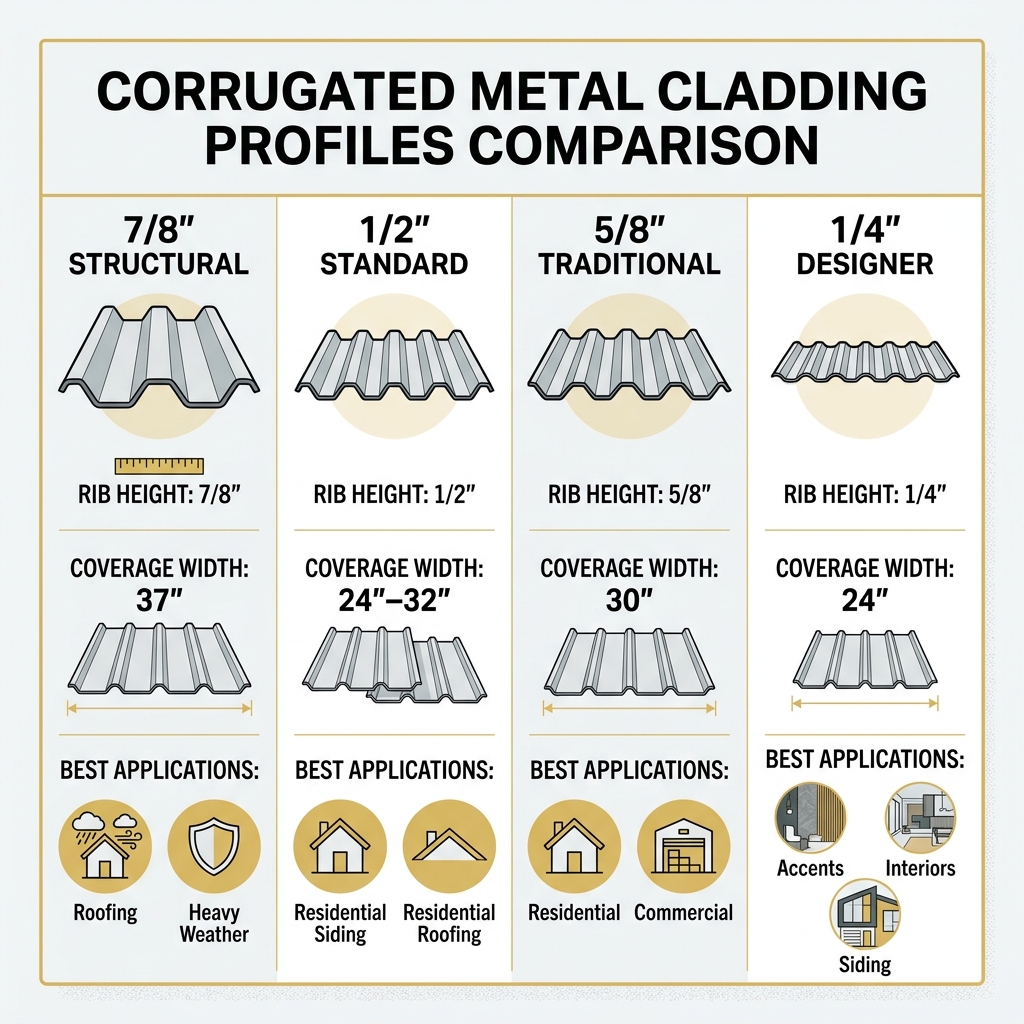
Here’s a quick comparison of the most popular corrugated metal cladding profiles:
| Profile | Rib Height | Best For | Coverage Width |
|---|---|---|---|
| 7/8″ Structural | 7/8″ | Roofing, heavy weather | 37″ |
| 1/2″ Standard | 1/2″ | Residential siding & roofing | 24″-32″ |
| 5/8″ Traditional | 5/8″ | Residential & commercial | 30″ |
| 1/4″ Designer | 1/4″ | Accents, interiors, siding | 24″ |
Whether you need a full roof replacement after a severe storm or want to upgrade your home’s exterior with a material that can handle hail, high winds, and extreme heat, corrugated metal cladding delivers on all fronts.
Corrugated metal panels are manufactured through a cold-form roll-forming process that presses flat sheet metal into a wavy, ridged profile. That shape is not just cosmetic. It gives the material one of the highest strength-to-weight ratios of any construction product, meaning it handles impact and load forces far better than its light weight suggests.
It’s no surprise that we see growing demand for corrugated metal across Houston and surrounding areas. Homeowners who’ve had enough of replacing asphalt shingles after every storm season are making the switch – and the numbers back them up.
I’m Cash Walker, part of the leadership team at The Roof Guys, where we’ve spent over 30 years installing and evaluating corrugated metal cladding systems across Texas. Our hands-on experience with everything from residential wall panels to full commercial roof installations gives us a clear view of what actually performs when the weather turns serious.
The Anatomy and Materials of Corrugated Metal Cladding
When we talk about corrugated metal cladding, we are referring to a material engineered for resilience. The manufacturing process is fascinating: it begins with flat metal coils that undergo a “cold-form” process. During this, the metal is fed through a series of rollers—a process called roll-forming—that gradually bends the metal into its signature wavy shape.
This corrugation isn’t just for looks; it significantly increases the tensile strength of the panel. By adding these “ribs,” a thinner, lighter-gauge metal can achieve the structural integrity of much thicker flat plates. This allows for a high strength-to-weight ratio, making it easier to install without sacrificing protection.
Common Materials Used
In the Texas and Oklahoma markets, we primarily see three types of metal used for these panels:
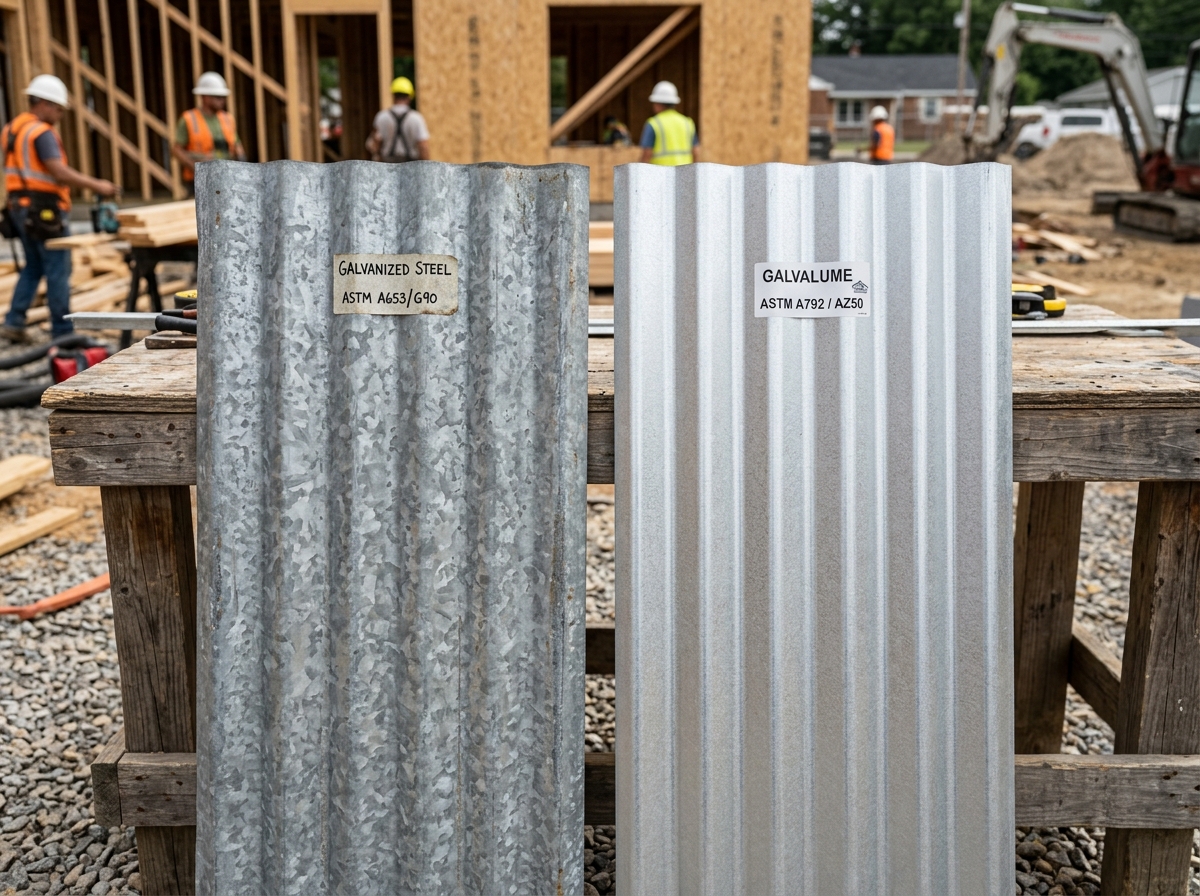
- Galvanized Steel: This is steel coated in 100% zinc. It offers excellent edge and scratch protection because the zinc “sacrifices” itself to protect the steel underneath.
- Galvalume: A favorite for our coastal Texas clients, Galvalume consists of 55% aluminum and 45% zinc. It offers superior overall corrosion resistance compared to standard galvanized steel.
- Aluminum: Naturally rust-resistant and incredibly lightweight, aluminum is often used in high-end architectural projects or near saltwater environments.
| Feature | Galvanized (100% Zinc) | Galvalume (55% Al, 45% Zn) |
|---|---|---|
| Corrosion Resistance | Good | Excellent |
| Edge Protection | Superior | Good |
| Best Use | Budget-friendly, Agricultural | Residential, Long-term Roofing |
| Heat Reflection | Moderate | High |
For those in hurricane-prone areas like Houston or Pasadena, TX, it’s vital to look for panels with a Notice of Acceptance for high-wind performance. These ratings ensure the panels can withstand the intense pressures of a storm. Most professional-grade panels we use are mill-certified and feature high-tensile strength, typically available in 24-gauge steel or .040 aluminum for maximum durability.
Comparing Popular Corrugated Metal Cladding Profiles
Choosing the right profile is about balancing aesthetics with performance. Each “wave” or rib height changes how the panel handles water, wind, and visual shadow lines.
7/8″ Structural Profile
The 7/8″ corrugated panel is the heavyweight champion of the group. With a 7/8″ rib height, it offers incredible structural strength. It often features custom anti-siphon grooves and troughs with a 5-degree overbend to ensure water stays out of your home. This profile provides a net coverage of roughly 37 inches, making it efficient for large roof surfaces.
1/2″ Standard (2 1/2″ Corrugated)
Often referred to by its pitch (2 1/2″), this panel has a 1/2″ rib height. It offers a more subtle, traditional look that many homeowners in The Woodlands and Katy prefer for siding. It provides a softer accent line and is incredibly “forgiving” during installation, making it a versatile choice for both roofing and wall cladding.
1/4″ Designer Series
If you are looking for a sleek, modern aesthetic for interior feature walls or exterior accents, the 1/4″ profile is the way to go. It creates very fine shadow lines and is often paired with wood or industrial accents. It’s a “designer’s dream” because it provides the texture of metal without the aggressive industrial look of deeper ribs.
For more details on how these fit your specific home, you can explore more info about metal roofing options on our dedicated service page. If you are currently debating between traditional materials and metal, our guide on choosing between shingles and metal cladding offers a deep dive into the pros and cons for Montgomery County residents.
Selecting the Right Gauge for Corrugated Metal Cladding
The “gauge” refers to the thickness of the metal. In metal, a lower number means a thicker panel.
- 22-Gauge: This is the heavy-duty option. It’s used for high-end commercial projects or residential areas prone to extreme hail. It offers the highest impact resistance and structural integrity.
- 24-Gauge: The industry standard for high-quality residential metal roofing. It strikes the perfect balance between weight and strength.
- 26-Gauge: A very popular residential choice that is easier on the wallet while still providing excellent protection against Texas storms.
- 29-Gauge: Often referred to as “economy” grade, this is frequently used for agricultural buildings or smaller DIY projects like sheds and fences.
When selecting a gauge, we always consider the technical specifications for panel systems to ensure the wind uplift and load ratings meet local building codes in cities like Conroe or Tulsa.
Aesthetic Finishes for Corrugated Metal Cladding
Today’s corrugated metal cladding isn’t just “shiny silver.” The finishes available now are as much about performance as they are about beauty.
- PVDF (Kynar 500): This is the gold standard for paint finishes. It uses 70% PVDF resin to resist fading, chalking, and UV damage. Most PAC-CLAD panels with this finish come with a 35-year non-prorated finish warranty.
- SMP (Silicone Modified Polyester): A durable, cost-effective paint system that offers great hardness and weather resistance.
- Weathered Metallic: A popular choice for those who love the look of aged copper or rusted steel (Corten) without the actual rust runoff or staining issues.
- Cool Roof Pigments: Many of our finishes are Energy Star rated, meaning they reflect solar heat away from your home, significantly lowering cooling costs during those 100-degree Texas summers.
One thing to keep in mind is “oil canning.” This is a visual waviness that can occur in flat areas of metal panels. Because corrugated panels are inherently “wavy,” they are much better at hiding oil canning than flat standing seam panels. You can find finish warranty request details online to see exactly what is covered for your specific product.
Performance Ratings and Environmental Impact
In Texas and Oklahoma, a building material is only as good as its performance in a storm. Corrugated metal cladding is built to take a beating.
- Impact Resistance: Most of our panels carry a UL 2218 Class 4 rating. This is the highest rating for hail resistance, often leading to significant discounts on homeowners’ insurance premiums.
- Wind Uplift: Tested to standards like ASTM E1592, these panels can withstand wind pressures of 120 psf or more, which is essential for the high-wind events we see in Oklahoma City and the Houston area.
- Fire Resistance: Metal is non-combustible. When installed correctly, these systems achieve a Class A Fire Rating, providing an extra layer of safety for your family.
From a sustainability standpoint, metal is hard to beat. It is 100% recyclable at the end of its long life. Furthermore, corrugated panels allow for the use of lighter-gauge metal due to the strength gained from the shape, which can help projects earn LEED credits. Many homeowners also use these surfaces for rainwater harvesting, as the smooth finishes don’t leach chemicals like asphalt shingles can. You can read more about the benefits of metal for longevity to see how it stacks up as a sustainable construction choice.
Installation Best Practices and Maintenance
Proper installation is the difference between a roof that lasts 50 years and one that leaks in five. At The Roof Guys, we follow strict protocols to ensure your corrugated metal cladding is watertight.
Key Installation Steps:
- Fastener Placement: We use exposed fasteners with EPDM (rubber) washers. These must be driven perfectly straight—not too tight, not too loose—to create a permanent seal.
- Panel Lapping: For roofing, we recommend a minimum slope of 3:12. We use bead mastic or sealant on the overlaps to prevent capillary action from pulling water between the panels.
- Substrate: While some panels can go over open purlins, we generally recommend a solid substrate like plywood with a high-quality synthetic underlayment for residential homes.
- Flashing and Trim: Custom-fabricated trim is essential for corners, eaves, and valleys to ensure the entire system moves and breathes together.
Maintenance Tips:
- Annual Cleaning: Simply washing the panels with water and a mild detergent helps maintain the finish and prevents debris buildup.
- Debris Removal: Keep valleys and gutters clear of leaves and branches, which can trap moisture against the metal.
- Inspection: After a major storm in areas like Spring or Katy, TX, it’s wise to have a professional check the fasteners and sealants.
If you suspect your current exterior isn’t up to the task, schedule a professional inspection to evaluate your options and ensure your home is ready for the next storm season.
Frequently Asked Questions about Corrugated Metal
What is the difference between 7/8″ and 1/2″ corrugated panels?
The primary difference is the rib height and structural strength. 7/8″ panels are deeper, stronger, and better for long spans or heavy snow/wind loads. 1/2″ panels (also called 2 1/2″ corrugated) have a lower profile, offering a subtler look that is very popular for residential siding and wainscoting.
How long does corrugated metal cladding last compared to vinyl?
Vinyl siding typically lasts 15–25 years and can crack or fade in the intense Texas sun. Corrugated metal cladding can easily last 40–60 years or more with minimal maintenance. It is also far more resistant to impact from hail or wind-blown debris.
Can corrugated metal panels be installed horizontally?
Yes! In fact, installing corrugated panels horizontally is a massive trend in modern architecture. It creates a sleek, elongated look for homes and commercial buildings. When installed horizontally, extra care must be taken with the vertical “butt joints” to ensure proper drainage and waterproofing.
Conclusion
Whether you are in the heart of Houston, the suburbs of The Woodlands, or the plains of Oklahoma City, your home deserves protection that can stand up to the elements. Corrugated metal cladding offers a unique combination of industrial strength, modern beauty, and long-term value.
At The Roof Guys, we specialize in navigating the challenges of Texas and Oklahoma weather. From expert storm damage response to high-end architectural installations, we provide an ultra-fast turnaround and a 10-year workmanship warranty to give you total peace of mind.
Don’t wait for the next storm to find out if your roof is ready. Schedule your corrugated metal cladding consultation with us today and let’s build something that lasts.