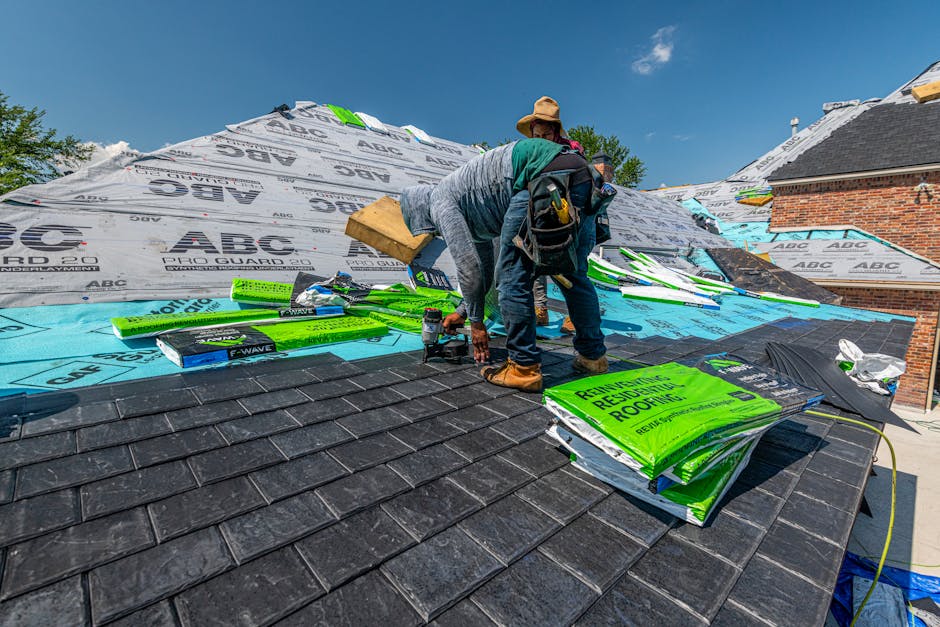
The Core Pillars of Elite Roofing and Maintenance
Every roof deteriorates. The difference between a roof that lasts 15 years and one that lasts 30 comes down to one factor: elite roofing and maintenance. A structured maintenance program catches small problems—cracked flashing, lifted shingles, clogged gutters—before they escalate into costly failures. For homeowners across Texas and Oklahoma, where hail, high winds, and extreme heat punish roofing systems year-round, proactive care is not optional. It is the single most effective strategy to prevent leaks, structural damage, and premature replacement. At The Roof Guys, we have spent over 30 years proving that consistent, professional roof maintenance delivers measurable savings and longer roof life.
Here’s what elite roof maintenance covers at a glance:
- Regular inspections — at least once a year, and after every major storm
- Preventative repairs — fixing small issues before they become costly failures
- Material care — protecting shingles, flashing, and gutters from weather damage
- Emergency response — rapid leak mitigation after storms
- Documented maintenance — required by most manufacturers to keep warranties valid
A well-maintained roof is your property’s first line of defense against water damage, mold, and structural failure. Skipping routine maintenance does not save money — it delays an even bigger bill. According to the National Roofing Contractors Association (NRCA), deferred maintenance increases total roof lifecycle costs by up to 25% and is the leading cause of premature roof replacement in the United States.
The stakes are especially high in storm-prone states. Hail can strip granules from shingles in minutes. High winds can lift flashing and create entry points for water. Without a consistent maintenance plan, small damage becomes serious damage fast.
I’m Cash Walker, a leadership team member at The Roof Guys — a Greater Houston roofing company with over 30 years of experience delivering elite roofing and maintenance services across Texas. I’ve seen what separates a roof that lasts from one that fails, and this guide will walk you through everything you need to know.

When we talk about “elite” standards, we aren’t just talking about a quick glance from the driveway with a pair of binoculars. True elite roofing and maintenance relies on a foundation of technical expertise and a proactive mindset. At The Roof Guys, we believe that a roof is a complex system of interconnected parts—shingles, underlayment, decking, and ventilation—that must all function in harmony.
One of the most critical pillars of high-level care is the use of certified professionals. In the roofing industry, credentials matter. GAF Master Elite® status is a prestigious designation held by fewer than 2% of roofing contractors in North America. Choosing a contractor with these credentials ensures that the work performed meets the highest manufacturer standards, which is often a prerequisite for maintaining your long-term warranties.
Preventative care is the defining characteristic of roof longevity. Instead of waiting for a drip to hit your living room floor, elite maintenance identifies “silent” failures. This includes checking for compromised flashing around chimneys, ensuring sealants haven’t dried out, and verifying that the attic ventilation is preventing heat from degrading your shingles from the inside out. Adhering to local building permit and code standards ensures that every repair or installation is structurally sound and compliant with safety regulations.
The Financial Benefits of Elite Roofing and Maintenance
Maintaining your roof is a high-ROI financial decision, not just a chore. A roof in peak condition increases a home’s resale value by an average of 15–40% of the project cost, according to Remodeling Magazine’s Cost vs. Value Report. More importantly, it delays the need for a full replacement—the single largest exterior expense a homeowner faces.
When you request a free roof inspection, you are getting a professional audit of your property’s most expensive asset. Many insurance companies look favorably upon homeowners who provide documentation of regular maintenance. In some cases, a well-maintained roof can help lower insurance premiums or streamline the claims process after a major storm event in areas like Houston or Oklahoma City.
Customizing Elite Roofing and Maintenance for Commercial Properties
Commercial roofs face a different set of challenges than residential ones. Whether it is a flat TPO (Thermoplastic Polyolefin) system on a retail center in Conroe or an EPDM (Ethylene Propylene Diene Terpolymer) rubber roof on an industrial warehouse in Tulsa, commercial roofing maintenance requires specialized protocols.
For business owners, preventative housekeeping is vital. This involves clearing debris from field membranes, unclogging primary drains, and ensuring scuppers are free of obstructions. Because commercial roofs often house heavy HVAC equipment, regular inspections must also account for punctures caused by foot traffic or tool drops. A custom-designed maintenance program can save businesses thousands by preventing water intrusion that could damage expensive inventory or disrupt operations.
Identifying Common Signs Your Roof Needs Professional Attention
Your roof communicates its condition through visible and hidden signals. Most roofing failures don’t happen overnight—they are the result of small issues that were ignored for too long. Recognizing these signs early is the foundation of any effective maintenance strategy.
One of the most reliable indicators of trouble is granule loss. If you notice coarse, sand-like particles in your gutters or at the base of your downspouts, your shingles are losing their protective UV coating. This accelerates brittleness and cracking. Other red flags include shingle curling or “cupping,” which indicates the materials are reaching the end of their usable life or that the attic is poorly ventilated.
Effective roof leak detection often starts with the flashing. Flashing is the thin metal material installed around roof penetrations (like vents and chimneys) and in valleys. Gaps, rust, or cracked sealant in these areas will eventually allow water intrusion.
| Minor Wear | Structural Damage |
|---|---|
| Isolated granule loss in gutters | Large bald patches on shingles |
| Small hairline cracks in sealant | Missing or torn shingles |
| Minor moss or algae growth | Sagging roof deck or “soft” spots |
| Debris in gutters | Water stains on interior ceilings |
Warning Signs of Storm and Wind Damage
In Texas and Oklahoma, wind is a constant adversary. The Insurance Institute for Business & Home Safety (IBHS) reports that wind speeds as low as 50 mph can break the adhesive seal on standard three-tab shingles. Once the seal is broken, the shingle is no longer watertight. If you see missing shingles or “creased” shingles—where the wind has folded the shingle back—you need wind damage roof repair immediately to prevent the next rain from causing interior damage.
Interior Indicators of Roofing Failure
Sometimes, the best way to inspect your roof is from the inside. During or after a heavy storm, check your attic and upper-floor ceilings. Water stains, even small ones, confirm that the roofing system has been compromised. If you notice sagging ceilings or the smell of mold, the leak has likely been active for weeks or months, and you may be dealing with hail damage repair needs that have escalated into structural concerns. For a deeper understanding of how moisture affects building structures, the EPA’s guide to moisture control is a valuable resource.
Regional Strategies for High-Performance Roofing
Roofing is not a one-size-fits-all industry. A roof in the dry heat of West Texas requires different materials and maintenance schedules than one on the humid, storm-prone Gulf Coast. Regional climate is the single largest variable in roof performance and longevity.
Homes in coastal-adjacent areas like Pasadena, TX, must be engineered for hurricane roof damage repair scenarios. This means specifying high-wind rated shingles (ASTM D3161 Class F or Class H) and ensuring that the underlayment provides a secondary water barrier if shingles are lost during a storm. The Federal Emergency Management Agency (FEMA) recommends that homes in hurricane-prone zones use a sealed roof deck as a critical line of defense against wind-driven rain.
Managing Texas and Oklahoma Heat and Storms
In our primary service areas, the sun is just as damaging as the rain. Extreme UV exposure causes shingles to expand and contract through a process known as thermal cycling. Over time, this makes materials brittle and accelerates granule loss. The Oak Ridge National Laboratory has documented that dark-colored roofs in southern climates can reach surface temperatures exceeding 170°F during peak summer months.
To combat this, we recommend residential roofing solutions that include reflective coatings or “cool roof” shingles. These materials reflect solar energy back into the atmosphere, keeping the roof surface up to 50°F cooler and reducing the strain on your home’s air conditioning system by as much as 15%.
Addressing Moisture and Algae
In humid climates, Gloeocapsa Magma—a cyanobacterium commonly called roof algae—causes the unsightly black streaks visible on many roofs across the Gulf Coast. While primarily an aesthetic issue, severe growth holds moisture against the shingle surface and accelerates deterioration. We recommend algae-resistant shingles (containing copper or zinc granules) and proactive roof maintenance practices like keeping overhanging tree limbs trimmed to allow the roof to dry quickly after rain.
Innovative Technologies and Maintenance Programs
The days of a roofer simply walking the peaks and valleys are over. At the elite level, technology reveals what the human eye cannot detect.
Drone inspections have revolutionized storm damage assessment. High-resolution aerial imagery captures detail on steep or dangerous slopes without risking a technician’s safety. Thermal imaging and infrared moisture mapping detect temperature differentials beneath the roofing membrane, identifying trapped moisture before it ever manifests as a visible interior leak. According to the International Association of Certified Home Inspectors (InterNACHI), infrared scanning can detect moisture intrusion up to 18 months before it becomes visible. This technology is especially valuable when certified roofing contractors perform audits on large commercial structures.
Tiered Maintenance Plans: Low vs. High Response
Not every roof needs the same level of attention. Effective maintenance programs are tiered based on roof age, complexity, and exposure:
- Low Maintenance Programs: Ideal for newer roofs in good condition. These typically involve one annual inspection and a post-storm check-up to confirm the system is performing as expected.
- High Maintenance Programs: Recommended for older roofs or complex flat roof systems. These involve quarterly inspections and detailed life-cycle analysis reports to help the owner budget for an eventual replacement.
Emergency Response and Rapid Tarping
When a storm hits Houston or Oklahoma City at 2:00 AM, you cannot wait days for a quote. Elite maintenance providers offer 24/7 emergency roofing services. The immediate priority is stabilization.
This typically involves emergency tarping to prevent further water intrusion while the storm is still active or immediately following its passage. Once the property is dried in, a thorough assessment determines the scope of permanent repairs. Speed matters: FEMA data shows that properties tarped within 24 hours of storm damage experience 60–70% less secondary water damage than those left exposed.
Frequently Asked Questions about Roof Maintenance
How often should I schedule a professional roof inspection?
A professional roof inspection should be conducted at least once per year, ideally in the spring or fall. You should also request a free roof inspection immediately following any major storm event involving high winds, heavy rain, or hail. The NRCA states that early detection through annual inspections prevents 95% of emergency roof failures. A $300–$500 inspection can prevent a $15,000+ replacement.
Does regular maintenance affect my roofing warranty?
Yes. Most major manufacturers, including GAF and CertainTeed, explicitly require “reasonable maintenance” as a condition of their warranty terms. If a leak occurs because gutters were clogged for years or cracked flashing was ignored, the manufacturer can deny your claim for material failure. Documented elite roofing and maintenance is the strongest protection for your warranty coverage.
What is the difference between a roof repair and a full restoration?
A roof repair is a localized fix—replacing a few shingles, sealing a leaky vent, or patching a small hole. A restoration is a comprehensive process that involves cleaning the entire surface, completing all necessary minor repairs, and applying a high-performance coating (common on flat or metal roofs). A full restoration can extend a roof’s functional life by 10 to 15 years at 30–50% of the cost of a complete tear-off and replacement.
How do I know if I need a repair or a full replacement?
As a general rule, if damage affects less than 25% of the total roof area and the underlying decking is structurally sound, a repair or restoration is typically sufficient. If the roof is past 80% of its expected lifespan and showing widespread deterioration, a full roof replacement is the more cost-effective long-term solution. A professional inspection provides the data needed to make this decision with confidence.
Conclusion
Elite roofing and maintenance is an investment in the longevity, safety, and value of your property. By prioritizing regular inspections, utilizing advanced diagnostic technology, and addressing minor repairs before they escalate, you avoid the financial and structural consequences of premature roof failure.
For homeowners and business owners across Texas and Oklahoma—from the bustling streets of Houston and Pasadena to the growing communities in The Woodlands, Katy, and Oklahoma City—The Roof Guys are here to help. We are a family-owned company specializing in residential and commercial installations, repairs, and expert storm response. We take pride in our ultra-fast turnaround times and our industry-leading 10-year workmanship warranty.
Don’t wait for the next storm to test your roof’s integrity. Call us today at 713-804-7663 or visit our roofing services page to schedule your free, no-obligation inspection. Let us help you keep your shingle together!