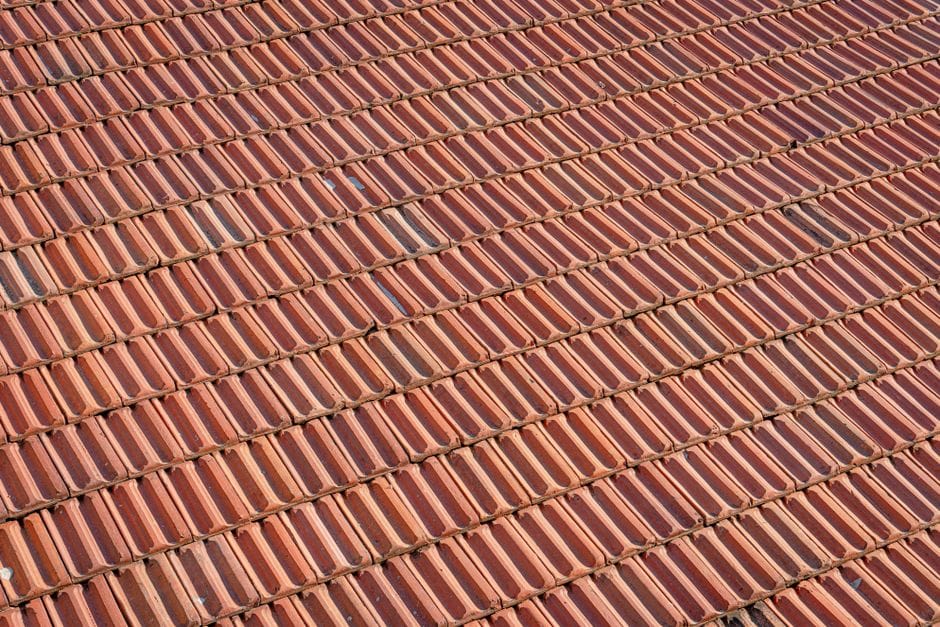
What You Need to Know About Clay Tile Roof Repair
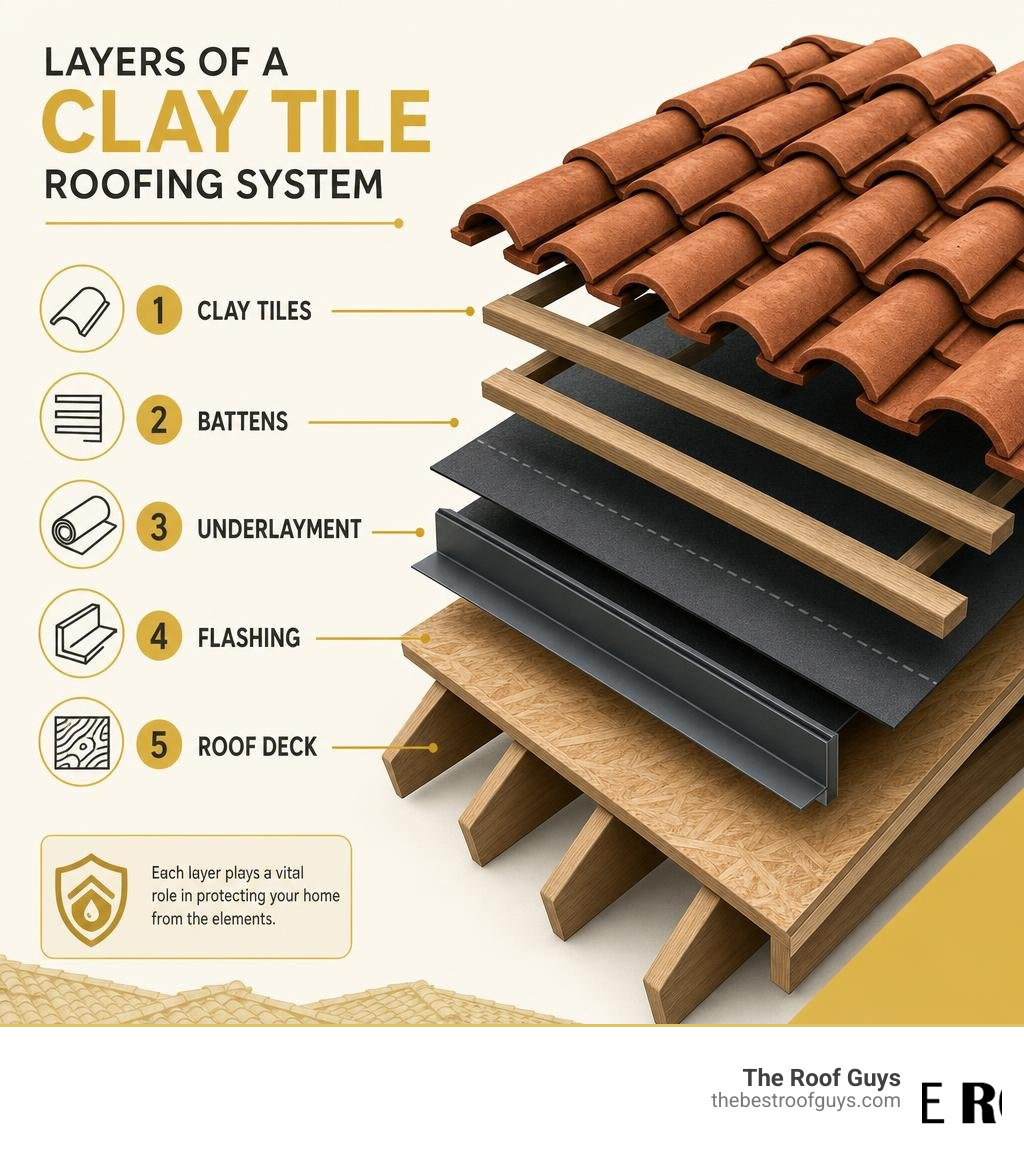
Clay tile roof repair is the process of fixing cracked, slipped, or broken tiles — along with the underlayment and flashing beneath them — to stop leaks and prevent structural damage. Because clay roofs shed water through both the visible tile and the hidden layers below, a lasting repair requires finding the failed component, not just replacing a broken tile. If you want a safer, drier home and a repair plan that protects the roof’s long service life, working with a trusted local roofing contractor is the best first step.
Quick answer for homeowners:
- Cracked or broken tiles — replace with matching clay tiles using tile clips or copper nails
- Active leaks — the source is usually failed underlayment or flashing beneath the tiles, not the tiles themselves
- Slipped tiles — often caused by corroded fasteners; tiles need to be re-secured or replaced
- Minor repairs — small repairs may start around $300–$900; many moderate repairs run $900–$2,500
- When to replace vs. repair — if repair costs exceed 50% of full replacement cost, a full replacement is usually the smarter investment
Clay tile roofs are one of the most durable roofing materials on the planet. A properly installed clay tile roof can last 100 years or more — and in some cases, several hundred years. They carry a Class A fire rating, resist winds up to 125 mph, and add undeniable curb appeal to any home.
But even the toughest roofs take a beating from Texas and Oklahoma weather. Hail, high winds, and relentless heat cycles cause tiles to crack, shift, and loosen over time. And when that happens, water finds a way in — fast.
The tricky part? The tile itself is rarely the real problem. Most leaks trace back to failed underlayment or damaged flashing hidden underneath. That’s why a surface-level patch rarely holds. Getting a professional roof repair is the most reliable way to find and fix the root cause before a small leak becomes a major structural problem.
I’m Cash Walker, part of the leadership team at The Roof Guys — a Greater Houston roofing company with 30+ years of hands-on experience in clay tile roof repair and all types of residential roofing systems. In this guide, I’ll walk you through everything you need to know to protect your investment and make the right call for your home.
Clay tile roof repair word roundup:
At The Roof Guys, we help families across Texas and Oklahoma preserve these stunning, high-value roofs. Whether you are dealing with storm damage in Tulsa, wind-blown tiles in Oklahoma City, or high-humidity underlayment wear in Houston, Pasadena, or Conroe, understanding how your roof works is the first step to keeping it in peak condition.
Common Causes of Clay Tile Roof Damage
While clay tiles are incredibly tough, they are also brittle. Unlike asphalt shingles that flex under pressure, clay tiles can crack under physical stress or shift when their supporting systems fail.
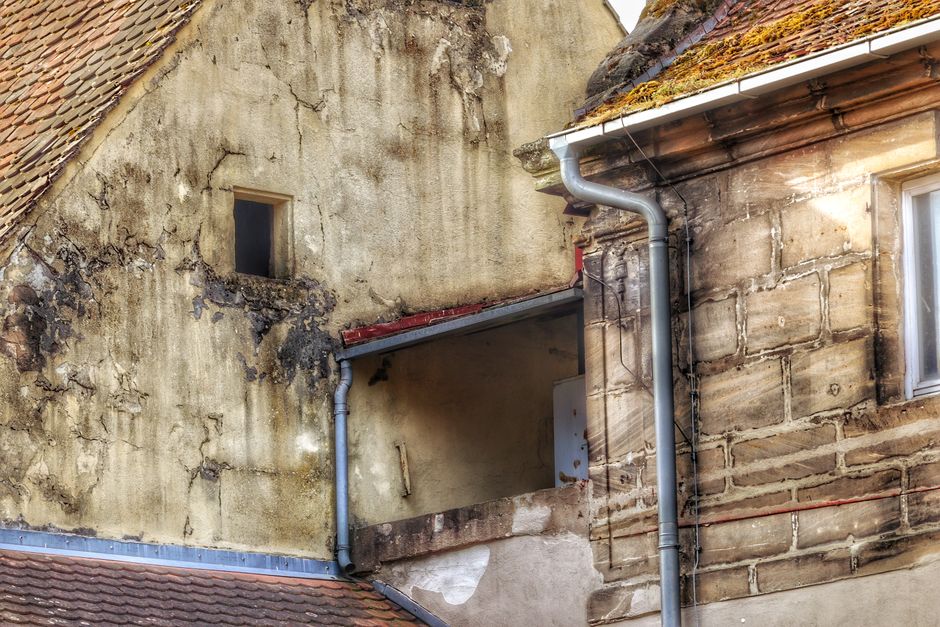
Hail and Wind Damage to Clay Tiles
In Texas and Oklahoma, extreme weather is our baseline. Large hailstones can easily crack or shatter clay tiles upon impact. High winds can also get underneath tiles, especially if they are loose, causing them to lift, slide, or blow off the roof entirely.
If a severe storm has recently swept through your neighborhood, you may need targeted hail damage or wind damage repair to replace shattered tiles before rain can reach your decking.
Underlayment Failure and Hidden Leaks
It is a common myth that clay tiles are completely waterproof. In reality, clay tiles act as a protective shield that sheds the vast majority of water, but the true waterproofing membrane lives directly beneath them.
Over time, the intense summer heat in cities like Katy, Spring, and The Woodlands degrades this underlayment. Organic asphalt felt underlayment can become brittle and tear, while even modern synthetic membranes eventually wear out. When the underlayment fails, water seeping through tile gaps will rot your roof deck. If you notice water stains on your ceilings, you need specialized leak detection to locate the compromised underlayment beneath the tiles.
How to Identify When You Need Repair
Catching clay tile issues early can save you thousands of dollars in structural repairs. Because walking on clay tiles can easily crack them, we always recommend starting with a visual check from the ground.
Ground-Level Visual Inspections
Grab a pair of binoculars and step into your yard to look for these warning signs:
- Slipped or missing tiles: Gaps in your tile pattern leave the vulnerable underlayment exposed to the sun and rain.
- Cracked ridge tiles: The tiles along the peak of your roof seal the joint where two slopes meet. Cracks here are an open invitation for leaks.
- Debris accumulation: Leaves, pine needles, and branches trapped in roof valleys can back up water, forcing it underneath the tiles.
If you spot any of these warning signs, it is time to schedule professional roof inspections to get a safe, close-up look at the damage.
Detecting Active Leaks and Underlayment Wear
Sometimes, the worst damage is invisible from the outside. Head into your attic with a flashlight after a heavy rainstorm and look for:
- Water stains or dampness along rafters and roof sheathing
- Areas where daylight is visible through the roof deck
- Mold, mildew, or a musty odor in your attic space
If water is actively dripping into your home, you are facing a roofing crisis. You should contact an emergency roofing team immediately to dry-in your home and prevent widespread structural damage.
The Step-by-Step Repair Process
Repairing a clay tile roof is a precise, technical craft. Because the tiles are fragile and heavy, the repair process must be handled with extreme care to avoid damaging surrounding tiles.
Safe Access and Tile Removal Techniques
To access a damaged area, professional roofers use padded ladders or walk boards to distribute weight evenly and prevent cracking healthy tiles.
- Wedge the tiles: The roofer gently slides wooden wedges under the tiles directly above the damaged one to lift them slightly.
- Remove the fastener: Using a slate ripper or a specialized pry bar, the roofer reaches under the broken tile to pull or cut the nail holding it in place.
- Slide the tile out: The broken pieces are carefully removed.
- Prepare for reattachment: According to federal standards on the Repair and reattachment of clay roof tile | GSA, replacement tiles should be secured using noncorrosive metal clips, wire hooks, or copper nails to ensure they remain anchored for decades.
Replacing Damaged Underlayment and Flashing
Once the broken tile is out of the way, the underlying layers must be repaired:
- Patch the underlayment: Any torn or degraded underlayment is replaced with high-quality elastomeric membrane.
- Restore the flashing: Metal flashing around chimneys, vents, and valleys must be inspected. If the flashing is rusted or lifting, we perform expert flashing repairs using corrosion-resistant metals like copper or heavy-gauge galvanized steel.
- Reinstall the tiles: The new tiles are slid back into place, hooked onto the battens, and secured. According to military and commercial specifications like the UFGS 07 32 14 Clay Tile Roofing Replacement or Repair guide, ensuring proper overlapping patterns and using Grade 1 clay tiles is critical to maintaining the system’s wind and water resistance.
Why Professional Clay Tile Roof Repair is Recommended
We love a good DIY project as much as anyone, but clay tile roof repair is not a weekend hobby. Walking on a tile roof incorrectly will break more tiles than you fix, creating a domino effect of new leaks. Furthermore, working on steep, slick tile slopes presents serious safety hazards. Professional roofers have the safety harnesses, specialized tools, and material networks required to match your existing tiles perfectly while keeping your manufacturer warranties intact.
Cost Factors of Clay Tile Roof Repair
Understanding the financial side of roof repairs helps you make smart decisions for your property. Here is a breakdown of what you can expect to pay for clay tile services in June 2026.
| Repair Scope | Typical Cost Range | Key Factors |
|---|---|---|
| Minor Repairs (1–5 broken tiles, minor flashing seal) | $300 – $900 | Accessibility, tile availability |
| Moderate Repairs (Slipped tiles, valley leak repair) | $900 – $2,500 | Underlayment replacement area, flashing complexity |
| Major Repairs (Widespread storm damage, structural sag) | $2,500 – $7,000+ | Framing repairs, large-scale tile matching |
Average Costs of Clay Tile Roof Repair in 2026
For most homeowners, clay tile roof repair costs range from $900 to $2,500, with a national average of $1,700.
- Per Square Foot: Expect to pay between $8 and $25 per square foot for targeted repairs.
- Labor Rates: Professional labor for tile roofing specialists typically ranges from $50 to $120 per hour, depending on the complexity and slope of your roof.
- Materials: Genuine clay tiles cost more than concrete or synthetic alternatives, but they are the only way to maintain the structural and aesthetic integrity of your roof.
Repair vs. Full Roof Replacement Decisions
How do you know when it is time to stop patching and replace the entire roof? We recommend using the 50% Rule: if the cost of repairing your tile roof exceeds 50% of the cost of a full replacement, a complete replacement is usually the better long-term investment.
Additionally, if your tiles are in great shape but the underlayment is failing across the entire roof, a “lift and reset” (removing the tiles, replacing the underlayment, and reinstalling the original tiles) may be required. Read our comprehensive guide on roof replacement vs repair to help you weigh your options.
How to Maintain a Clay Tile Roof for Longevity
With minimal care, a clay tile roof can easily outlast your mortgage. A little proactive maintenance goes a long way.
Annual Inspections and Debris Removal
We highly recommend scheduling a professional maintenance visit once a year. Regular maintenance generally costs $200 to $600 and includes:
- Cleaning out gutters and valleys to prevent water from backing up under the tiles.
- Removing moss, algae, and wet leaf piles that trap moisture against the clay.
- Checking for slipped or cracked tiles after major windstorms.
Investing in these small tasks is like getting a regular roof tune up services to keep your roof’s protective layers performing beautifully.
Preserving Historic Clay Tile Roofs
If you own a historic home in Huntsville, Conroe, or Oklahoma City, your clay tiles might be irreplaceable antiques. Historic preservation guidelines, such as those outlined in the Repair of Historic Clay Tile Roofs brief, emphasize preserving as many original tiles as possible. When tiles must be replaced, we source salvaged historic tiles or custom-manufactured matches to preserve the architectural character and value of your home.
Frequently Asked Questions About Clay Tile Roofs
Can a clay tile roof be repaired instead of replaced?
Yes! In most cases, isolated leaks, broken tiles, and damaged flashing can be repaired without replacing the entire roof. As long as the majority of the underlayment is in good condition and the roof structure is sound, spot repairs are highly effective and budget-friendly.
Why do clay roof tiles crack and slip?
Tiles typically crack due to physical impacts (like hail, falling tree branches, or people walking on them) or extreme thermal expansion and contraction. Slipping occurs when the fasteners holding the tiles (often old iron nails on historic roofs) rust away, allowing gravity and wind to pull the tiles out of alignment.
Is it safe to walk on a clay tile roof during repairs?
No, it is not safe for homeowners to walk on clay tiles. Aside from the high risk of slipping on the steep, dusty surface, clay tiles are fragile and will crack under the concentrated weight of a human step. Professional roofers use specialized weight-distributing walk boards and safety harnesses to complete repairs without causing further damage.
Conclusion
Your clay tile roof is a beautiful, high-value investment designed to protect your family for a lifetime. When storms roll through Texas and Oklahoma, don’t let a minor tile crack turn into a major living room puddle.
At The Roof Guys, we are proud to be a family-owned roofing contractor serving Texas and Oklahoma, including Houston, Conroe, Pasadena, The Woodlands, Huntsville, Spring, Katy, Tulsa, and Oklahoma City. We back our expert craftsmanship with an ultra-fast turnaround, expert storm response, and an industry-leading 10-year warranty.
If you suspect your roof has storm damage or a hidden leak, book your professional clay tile roof repair inspection. We’ll get your roof back in shape fast!