What to Do When a Storm Wrecks Your Gutters
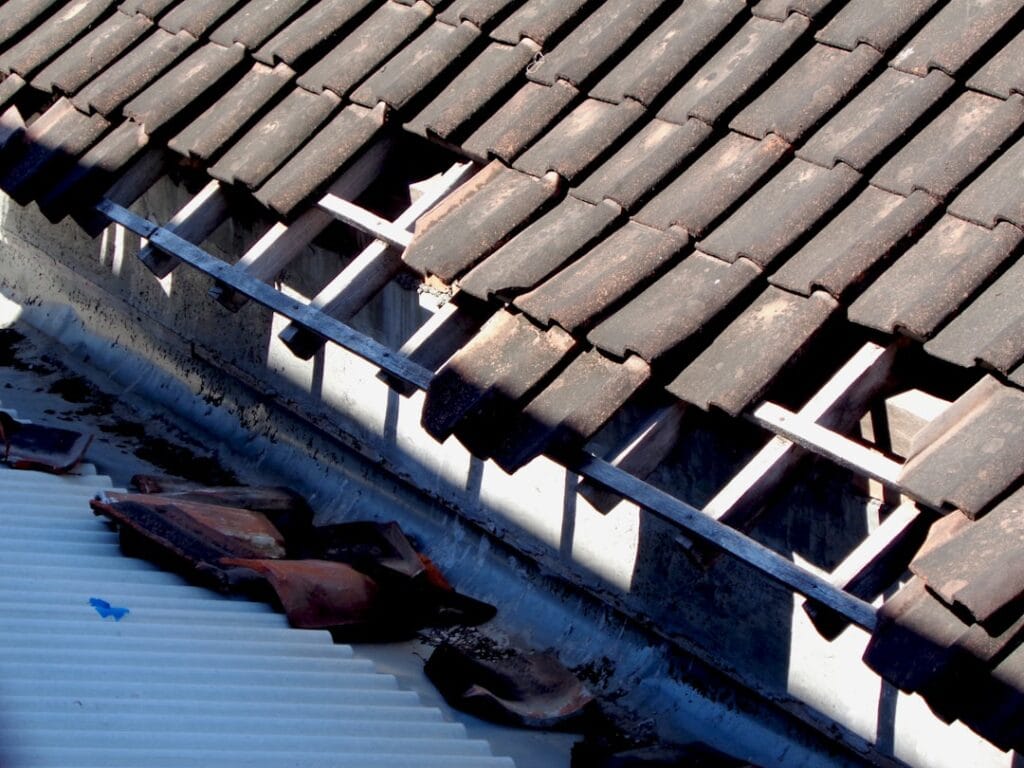
Storm damaged gutters repair is urgent — not optional. When gutters pull away, sag, or crack after a severe storm, water stops going where it should. That means it starts going where it shouldn’t: against your foundation, behind your fascia boards, and into your basement.
Here is what to do right after a storm damages your gutters:
- Stay safe first — check for downed power lines before stepping outside
- Inspect from the ground — look for detached sections, sagging runs, and crushed downspouts
- Redirect water temporarily — slide a splash block or flexible hose under a broken downspout to push water at least 3 feet from your foundation
- Document everything — photograph all damage before touching anything, for your insurance claim
- Call a professional — get a licensed contractor on-site within 24 to 72 hours
Storms in Texas and Oklahoma hit hard. High winds, hail, and flash flooding can rip gutters off a roofline in seconds. But the damage you see dangling from your eave is often just the beginning. When gutters fail, water pools at your foundation — and expert roofing and gutter services exist precisely because that pooling can cost up to $10,000 in structural repairs if it goes unchecked.
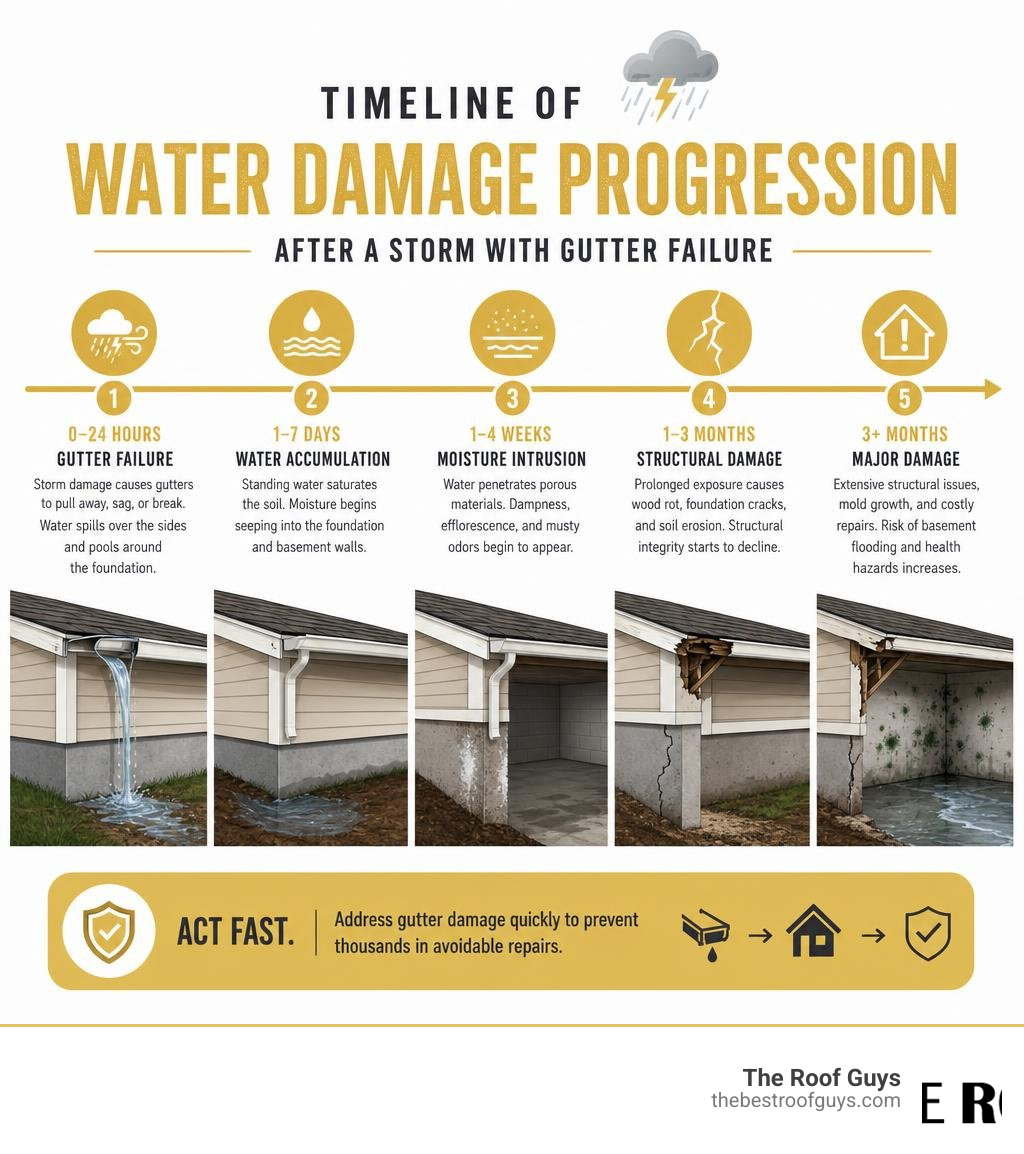
The longer you wait, the worse it gets. Fascia boards rot. Soil erodes. Basement walls crack. Mold takes hold.
This guide walks you through everything: safe inspection, temporary fixes, repair vs. replacement decisions, insurance documentation, and upgrades that protect your home from the next storm.
I’m Cash Walker, a leadership team member at The Roof Guys — a Greater Houston roofing and gutter company with over 30 years of industry experience helping homeowners navigate storm damaged gutters repair after hail, wind, and hurricane events. In that time, I’ve seen how a few hours of delay can turn a $400 gutter repair into a $10,000 foundation problem — and this guide is built to help you avoid that.
How Storms Destroy Your Home Drainage System
Severe weather is the leading cause of sudden gutter failure in Texas and Oklahoma. When convective storms roll through Houston, Pasadena, or Tulsa, they bring a combination of high winds, heavy downpours, and destructive hail. Your gutter system is the unsung hero of your home’s exterior, but it is highly vulnerable to these extreme atmospheric forces.
Wind, Hail, Ice, and Debris Hazards
Storms damage gutters in several distinct ways:
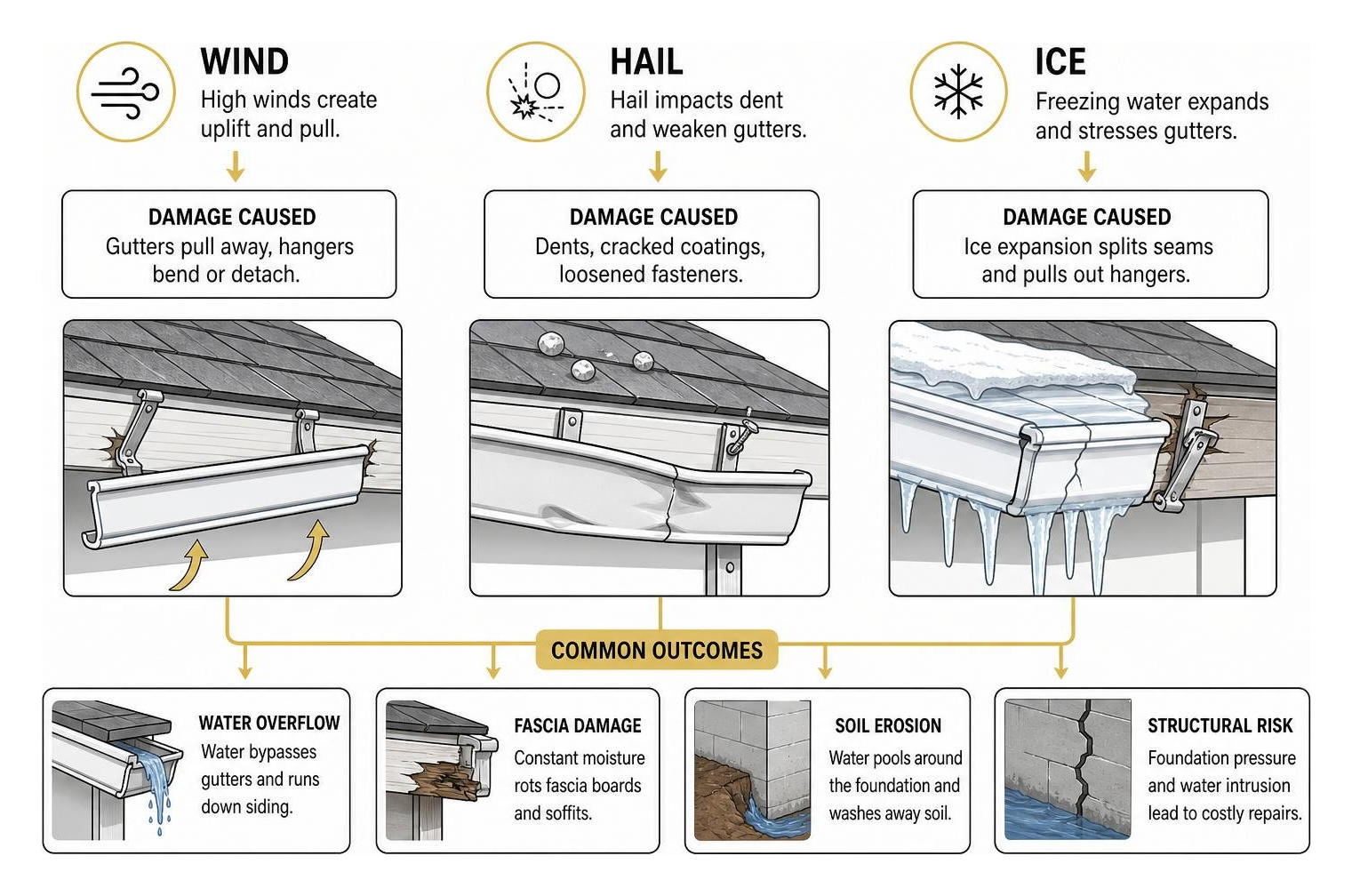
- Wind Shear and Uplift: Straight-line winds and tornado-force gusts can get underneath a gutter run. This extreme wind load creates a prying force that pulls spikes and hidden hangers directly out of the wooden fascia board. 30 to 50 mph winds can easily twist gutters or tear entire sections away from the roofline.
- Hail Impact: Hailstones act like miniature hammers. Hail as small as a quarter (1 inch) can dent thin-gauge aluminum, loosen fasteners, and crack the protective coatings on steel gutters. Large hail can bruise shingles, sending thousands of loose asphalt granules down into the gutter. This sediment creates heavy, mud-like blockages. To understand how these storms affect your wider roofing system, you can read more about hail damage effects.
- Thermal Contraction and Ice Expansion: In Oklahoma and North Texas, winter storms bring rapid, extreme temperature drops. A 50-degree temperature change on a 50-foot run of gutter can cause the metal to contract by about half an inch. This physical movement puts immense stress on seams and hangers. Additionally, water expands by about 9% when it freezes. When ice dams form in clogged gutters, this expansion splits corner miters and forces hangers out of the wood.
- Debris Clogs and Tree Strikes: High winds break tree branches, which can land directly on your gutters, crushing them flat. Wind-blown leaves, pine needles, and twigs also pack tightly into downspouts, creating instant blockages.
The Domino Effect on Roofs, Siding, and Foundations
When storm damage compromises your gutters, a destructive chain reaction begins. Gutters are not isolated accessories; they are integrated into your home’s overall protective envelope. Understanding how gutter installation protects your roof is essential to seeing the bigger picture.
When gutters fail, water backs up under the roof shingles, soaking the roof decking, soffits, and fascia boards. Rotted wood behind gutters is found on approximately 30% of our inspections. Once this wood rots, it loses its structural integrity, meaning new gutter hangers cannot hold securely.
Furthermore, overflowing water runs directly down your exterior siding, leading to siding rot, mold, and cracked brick mortar. Once that water reaches the ground, it pools at the base of your home. This localized pooling causes soil erosion and exerts hydrostatic pressure against your foundation, which can lead to cracked basement walls, slab movement, and costly structural failure.
Safe Post-Storm Inspection and Emergency Indicators
After a major storm passes through your neighborhood, your immediate priority should be assessing the exterior damage safely. You do not need to climb a wet, slippery ladder to determine if your home requires emergency roofing or gutter services. In fact, doing so immediately after a storm is highly dangerous.
How to Safely Inspect Gutters from the Ground
We recommend a simple, three-step ground-level inspection process:
- The Safety Walkaround: Walk the perimeter of your yard. Look up for downed power lines, hanging tree branches, and loose, sharp pieces of aluminum dangling from your roofline. Keep your distance from any overhead electrical hazards.
- The Binocular Method: Use a pair of binoculars or your smartphone’s zoom camera to inspect the gutter runs from a safe distance on the lawn. Look for gaps between the gutter and the fascia board, missing end caps, bent hangers, or sagging sections that no longer run straight.
- The Rain Test: During the next light shower, look out your windows. If you see water cascading over the sides of the gutters like a miniature waterfall, or dripping steadily from the joints, your system has failed. Look for “tiger stripes” of dark dirt on the front and back of the gutters, which indicate chronic overflowing.
Critical Signs You Need Immediate Storm Damaged Gutters Repair
Some gutter issues can wait a few days, but others require immediate emergency roofing intervention to prevent catastrophic water damage. Call us immediately if you notice:
- Detached or Dangling Gutters: Sections of metal hanging over walkways or driveways pose an immediate physical hazard to your family.
- Sagging or Pulling Runs: If you can see daylight between the back of the gutter and the fascia board, the fasteners have pulled out. The next rainfall will dump water directly into your walls.
- Torn-off Downspouts: When downspouts are ripped away, gallons of roof runoff will pour directly onto your foundation, causing rapid soil erosion.
- Active Foundation Flooding: Water actively pooling in window wells or flowing toward your basement or crawlspace requires immediate diversion.
Temporary DIY Fixes vs. Professional Restoration
When a severe storm damages your gutters, you may have to wait a few days for a professional crew to arrive, especially after widespread regional storms in areas like The Woodlands or Houston where contractor demand spikes. Fortunately, there are safe, ground-level temporary fixes you can implement to protect your home.
Safe Temporary Fixes You Can Do Yourself
- Ground-Level Downspout Clearing: If a downspout is clogged at the bottom, do not climb a ladder. Use a broom handle or a garden trowel from the ground to gently pull clumped leaves and debris out of the lower elbow.
- Water Diversion: If a downspout has been crushed or detached, slide a splash block, a piece of plywood, or a temporary flexible drainage hose under the break. This simple step ensures that water is pushed at least three feet away from your foundation.
- Debris Removal: Clear loose, sharp aluminum gutter debris from your lawn while wearing heavy work gloves to prevent cuts.
Warning: Never climb a ladder onto a wet roof or lean a ladder directly against a damaged, unstable gutter run. Leave high-altitude repairs to licensed professionals who have the proper safety equipment.
When to Choose Storm Damaged Gutters Repair Over Replacement
How do you decide whether to patch your existing gutters or invest in a full replacement? If you are unsure, our professional gutter repair services can provide an honest assessment.
| Damage Indicator | Opt for Repair | Opt for Full Replacement |
|---|---|---|
| Material Age | System is under 10–15 years old | System is over 20 years old and brittle |
| Damage Scope | Isolated to a single section or downspout | Widespread across multiple runs or sides |
| Fastener Integrity | Fascia wood is solid; hangers just need tightening | Fascia board is rotted; hangers are pulling out |
| Seams & Joints | A single corner miter needs resealing | Multiple split seams due to severe thermal contraction |
| Physical Deformity | Minor cosmetic dents | Gutters are twisted, bent, or crushed flat |
Attempting to repair a twenty-year-old gutter system piece-by-piece after a storm is often a waste of money. Old aluminum becomes brittle over time, making it unable to securely hold new fasteners. In those cases, a full seamless upgrade is the most cost-effective, long-term solution.
The Real Cost of Storm Damaged Gutters Repair
Understanding the financial side of gutter repairs helps you make informed decisions and avoid being taken advantage of by “storm chasers” or uncertified contractors.
Typical Cost Ranges for Post-Storm Gutter Repairs
Gutter repair costs vary depending on the extent of the damage, the height of your home, and the materials used.
- Spot Repairs ($125 – $650): These minor repairs typically involve fixing a single leaking joint, replacing a crushed downspout elbow, or re-securing a sagging 10-foot run of gutter where the fascia wood remains solid.
- Mid-Scope Repairs ($1,500 – $5,000): These repairs are common after moderate wind or hail storms. They involve replacing multiple damaged gutter runs, installing new heavy-duty hangers, and replacing small sections of waterlogged fascia board.
- Full System Restoration ($5,000 – $15,000+): Required after major storms or hurricanes. This includes full seamless gutter replacement, extensive fascia and soffit rebuilding, and repairing underground drainage connections to ensure proper water management.
To get a better idea of standard pricing structures, consult our gutter pricing guide.
Step-by-Step Guide to Documenting Your Storm Damaged Gutters Repair Claim
Most standard homeowners insurance policies cover sudden wind and hail damage to your gutters, downspouts, fascia, and soffit under your dwelling coverage. However, they do not cover gradual wear, age, or lack of maintenance.
To ensure your claim is approved, follow these steps:
- Document the Date of Loss: Note the exact date and time the storm hit your area.
- Take Comprehensive Photos: Take high-resolution photos and videos of the damaged gutters from multiple angles safely from the ground. Be sure to capture any pooling water near your foundation or water staining on your siding.
- Get a Line-Item Estimate: Contact us to perform a professional inspection. We will provide a detailed, line-itemed written estimate that separates labor, materials, and any necessary wood replacement.
- Understand Your Deductible: Check your insurance policy’s declarations page. Many policies in Texas and Oklahoma have separate wind/hail deductibles, which are often structured as a percentage (1% to 2%) of your home’s total insured value rather than a flat fee.
- Meet the Adjuster: Have our detailed estimate ready to share with your insurance adjuster during their physical inspection.
Preventing Future Storm Damage with System Upgrades
The best way to handle storm damage is to prevent it from happening in the first place. When replacing your storm-damaged gutters, upgrading to high-quality materials and modern installation standards will make your home highly resilient against future weather events.
Upgrading to Heavy-Duty Materials and Seamless Systems
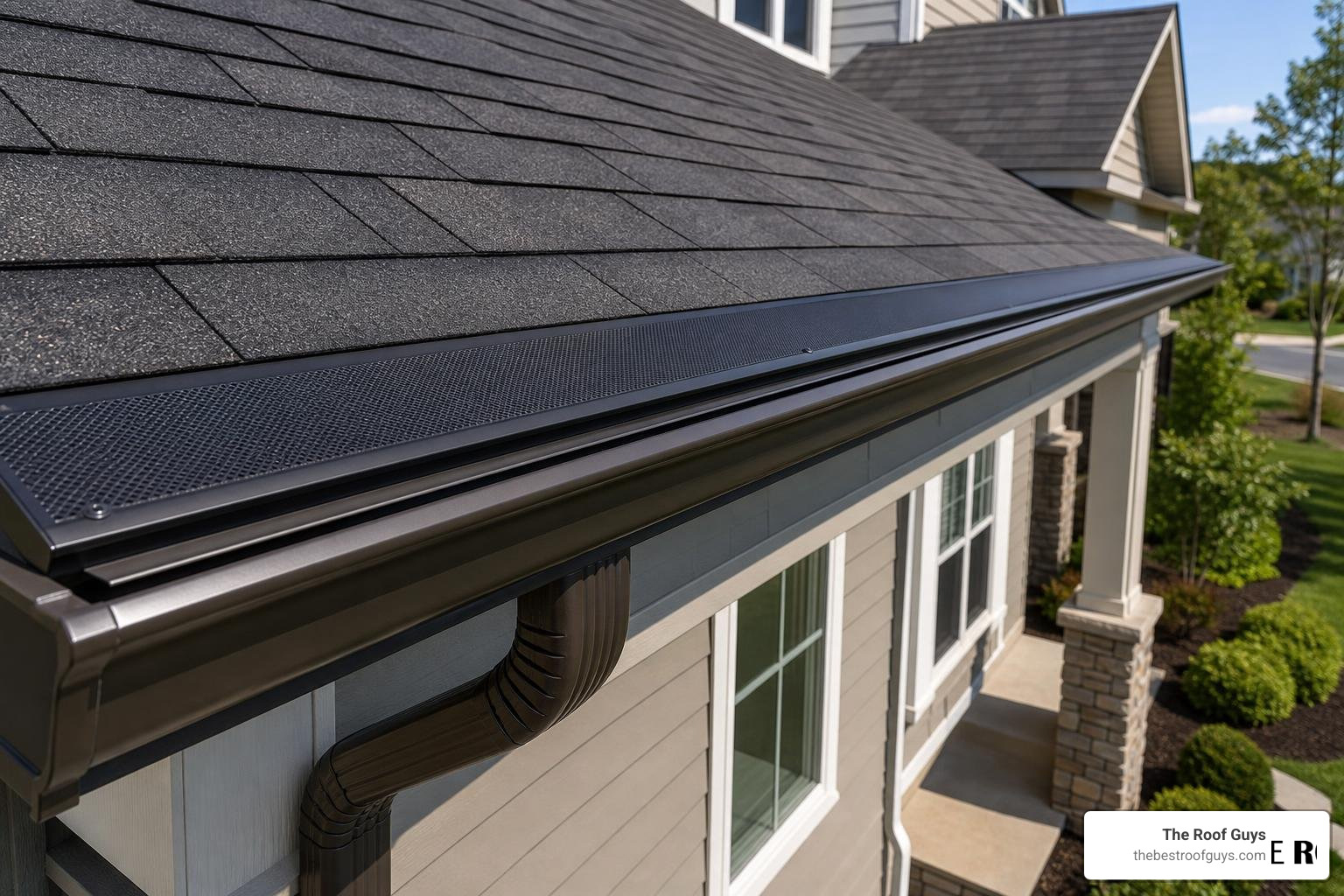
Standard retail gutters are often made of thin .019 or .027 gauge aluminum, which easily dents and warps. We recommend upgrading to heavy-duty .032 gauge aluminum seamless gutters.
Seamless systems are fabricated on-site from a single continuous piece of metal, eliminating the seams where leaks and structural failures typically occur. The seamless gutter benefits are clear: without joints to split during extreme temperature drops, your system remains structurally sound year-round.
Optimizing Hanger Spacing and Downspout Capacity
Traditional builder-grade gutters often use cheap spikes spaced 36 inches apart. This spacing frequently fails under heavy ice or water loads.
We install premium hidden hangers spaced at a maximum of 18 to 24 inches apart. This tight spacing provides superior wind resistance and structural support. Additionally, upgrading your downspouts from standard 2×3 inches to oversized 3×4 inches nearly doubles your system’s water capacity, preventing heavy overflows during torrential downpours. Adding gutter guard solutions will also prevent storm debris from clogging your downspouts, keeping your home prepared for any weather.
Frequently Asked Questions about Gutter Storm Damage
Can damaged gutters cause roof leaks?
Yes. When gutters are clogged, sagging, or detached, water cannot flow freely to the downspouts. During heavy rains, this water backs up over the back edge of the gutter, running under your roof shingles and soaking the wooden roof decking. This leads to hidden attic leaks, ceiling stains, and mold growth.
Will homeowners insurance cover cosmetic hail dents on gutters?
It depends on your specific policy and the adjuster’s assessment. Standard homeowners insurance covers functional damage that impairs the system’s ability to shed water. If hail dents are purely cosmetic and do not affect water flow or structural integrity, some insurance carriers may deny that portion of the claim. However, severe hail that alters the pitch or creases the seams is always considered functional damage and is typically covered.
How quickly do I need to repair my gutters after a storm?
You should act within 24 to 48 hours of a storm. Delaying repairs allows water to pool around your foundation and seep behind your fascia boards, leading to rapid wood rot and structural erosion. Prompt action is the single best way to prevent secondary water damage.
Conclusion
If a recent storm has left your gutters sagging, leaking, or torn away, do not wait for the next heavy downpour to cause thousands of dollars in structural damage to your roof, siding, and foundation.
At The Roof Guys, we provide homeowners across Texas and Oklahoma with ultra-fast turnaround times, expert storm response, and an industry-leading 10-year workmanship warranty on our installations. Whether you need a quick patch or a complete heavy-duty seamless upgrade, our experienced team is ready to help.
Don’t let a minor gutter issue turn into a major foundation problem. Contact us today for expert gutter installation and repair, or call us directly at (281) 895-8011 to schedule your professional storm damage assessment.