
Commercial Roofing Services in Houston, TX
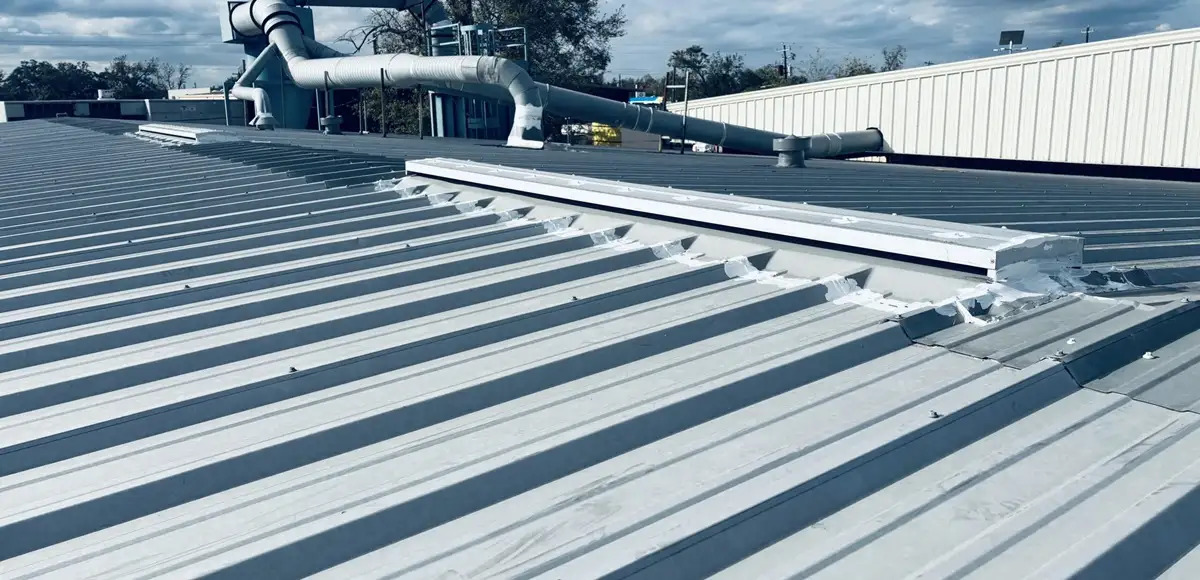
Houston Commercial Roofing Services for Businesses and Facilities
When your business needs commercial roofing services in Houston, you need a partner who understands flat and low-slope roofs, local weather, and the demands of busy facilities. The Roof Guys provide comprehensive commercial roofing solutions for offices, retail centers, warehouses, industrial buildings, and more throughout the Houston area.
Our team helps you evaluate the condition of your roof, choose the right repair or replacement option, and protect your building with a long-term roofing strategy, not just a quick fix.






Commercial Roof Systems We Service in Houston
Thermoplastic polyolefin (TPO) is a popular choice for energy-efficient, single-ply commercial roofs. We provide:
- TPO roof installation on new commercial projects
- TPO roof replacement for aging or failing systems
- Targeted TPO repairs and maintenance
If you’re considering TPO for your building, visit our dedicated TPO roofing page to learn more.
Ethylene propylene diene monomer (EPDM) is known for its durability and weather resistance on low-slope roofs. Our commercial roofing services in Houston include:
- EPDM patching and leak repairs
- EPDM membrane replacement
- Ongoing EPDM roof inspections and care
Get more details on our EPDM roofing services.
Flat and low-slope roofs are common on warehouses, retail centers, and industrial buildings. We service many types of flat roof systems, including:
- Single-ply membranes
- Coated and built-up roofs
- Hybrid systems tailored to your facility
Metal roofing can be an excellent option for commercial properties that need long-term performance and a clean, professional appearance. The Roof Guys install and repair metal roofing on select commercial structures, and we can help you evaluate whether metal is a good fit for your building.
Our Commercial Roofing Process in Houston
We follow a clear, step-by-step process so property owners, facility managers, and investors know exactly what to expect from start to finish.
1. Commercial Roof Inspection & Consultation
We begin with a detailed roof inspection to evaluate the condition of your existing system, identify leaks or failures, and check key areas such as penetrations, seams, and drainage. You’ll receive transparent feedback and documentation to support your decisions.
Schedule a professional roof inspection to get started.
2. Scope of Work, Options, and Estimate
Based on your goals and budget, we’ll outline the best options for:
- Commercial roof repair
- Commercial roof replacement
- Roof restoration or coatings (when appropriate)
- Ongoing roof maintenance
You’ll receive a written proposal that explains the recommended scope, materials, and timeline.
3. Professional Installation or Repair
Once approved, we coordinate logistics around your business operations to minimize disruptions. Our crews:
- Follow manufacturer and industry best practices
- Adhere to jobsite safety standards and regulations
- Communicate progress throughout the project
If your roof has active leaks or recent storm damage, we can also provide emergency roofing support when available.
4. Final Walkthrough and Long-Term Plan
After the work is complete, we perform a final walkthrough, address any questions, and discuss maintenance recommendations to help extend the life of your commercial roof.
For ongoing protection, we may recommend a tailored roof maintenance plan that aligns with your roof type and building use.
Why Choose The Roof Guys
Property managers across Houston trust The Roof Guys for dependable commercial roofing solutions, responsive service, and high-quality workmanship tailored to large properties and business facilities. Our team understands the demands of maintaining commercial roofs in Houston’s challenging climate and delivers durable roofing systems designed for long-term performance.
- Local Experience with Houston Commercial Roofs: We understand how Gulf Coast storms, high humidity, and extreme heat impact commercial roof systems. Our recommendations are grounded in real-world experience with local buildings, not generic advice.
- Focus on Safety and Professionalism: Jobsite safety is a priority on every commercial roofing project. We follow industry safety guidelines and relevant OSHA requirements, helping protect your employees, tenants, and our crews while work is underway.
- Transparent Communication and Documentation: From inspection photos to written reports, we provide clear documentation to help you communicate with stakeholders, tenants, or insurance carriers. You’ll always know what we’re doing, why we’re doing it, and how it benefits your roof.
- Portfolio and Client Feedback: We’re proud of the work we’ve completed for property owners and managers across the region. See examples of projects on our project gallery and customer reviews on testimonials page and Google Business Profile.
Areas We Serve
Licensed Commercial & Residential Roofing Contractor
The Roof Guys – quality materials, expert service, and lasting protection guaranteed.
Commercial Roof Repair, Replacement & Maintenance Services We Offer in Houston TX
Commercial roofing services in Houston often fall into three main categories: repair, replacement, and maintenance. The right choice depends on your roof’s age, condition, and performance history.
Commercial Roof Repair
Commercial roof repair focuses on addressing specific problem areas so you can get more life out of your existing system. This may include:
- Fixing localized leaks and punctures
- Reinforcing seams and flashing
- Correcting standing water or drainage issues
- Replacing damaged membranes or panels
If you’re unsure whether repair is enough, our team can also evaluate your roof for potential roof replacement.
Commercial Roof Replacement
When a roof is near the end of its service life or has widespread issues, replacement may be the most cost-effective long-term option. We help you:
- Choose appropriate materials for your building and budget
- Plan around tenants, operations, and equipment
- Install a new system designed for performance and durability
Commercial Roof Maintenance
Proactive maintenance is one of the best ways to reduce surprise leaks and extend roof life. A maintenance plan can include:
- Scheduled inspections
- Debris removal and minor repairs
- Documentation to support warranties and insurance needs
For helpful maintenance tips and roofing education, explore our roofing tips & maintenance resources.
Common Commercial Roof Issues in Houston TX
Houston’s heat, humidity, and storms create unique challenges for commercial roofs. Catching problems early can help you avoid major disruptions and interior damage.
Common Commercial Roof Problems and How We Address Them
Use this table as a quick reference to see how typical issues on commercial roofs relate to our commercial roofing services in Houston.
Commercial roof issue | What you may notice on your building | How The Roof Guys can help |
Active leaks during storms | Water spots on ceilings, dripping in specific areas | Perform roof inspection, locate leak source, and complete targeted roof repair |
Ponding water on flat roofs | Standing water that lingers for 48+ hours | Improve drainage, adjust slopes where possible, and repair affected roof areas |
Membrane blisters or cracks | Bubbled or split sections on TPO, EPDM, or other roofs | Remove compromised sections and install new membrane or patches |
Damaged flashing or penetrations | Leaks near HVAC units, vents, or skylights | Repair or replace flashing, reseal penetrations, and verify watertightness |
Age-related wear | General brittleness, granule loss, or seam failure | Recommend repair vs. full replacement and plan for long-term roof strategy |
For broader best practices on caring for commercial roofs, organizations like the National Roofing Contractors Association publish technical resources and guidance for building owners.
What Our Clients Are Saying
We believe the best proof of our service comes directly from the homeowners, businesses, and property managers we proudly serve.
Schedule Commercial Roofing Services in Houston, TX Today
Protect your commercial property with dependable roofing solutions from The Roof Guys. Whether you need commercial roof repair, flat roof maintenance, or a complete roofing system installation, our experienced team provides professional service tailored to the needs of Houston businesses, offices, warehouses, and retail buildings.
Don’t wait for small roofing issues to disrupt your operations. Call (281) 895-8011 to schedule a commercial roof inspection in Houston, TX today. Our team will evaluate your roof, explain your options, and deliver a clear plan to keep your building protected for years to come.
The Roof Guys
Business Hours
Monday: Open 24 hours
Tuesday: Open 24 hours
Wednesday: Open 24 hours
Thursday: Open 24 hours
Friday: Open 24 hours
Saturday: Open 24 hours
Sunday: Open 24 hours
Frequently Asked Questions
We work on many common commercial roof systems used in the Houston area, including TPO, EPDM, certain flat and low-slope roof systems, and select metal roofing applications. During your inspection, we’ll confirm your roof type and explain which repair, replacement, or maintenance options make sense for that system.
Signs like active leaks, widespread ponding water, large areas of membrane damage, or frequent patchwork can indicate a commercial roof is nearing the end of its useful life. In other cases, targeted repairs and a structured maintenance plan may be enough. The best way to know is to schedule a professional inspection so we can evaluate your roof’s age, condition, and performance history.
Yes. We understand the importance of minimizing disruption in commercial environments. We’ll coordinate scheduling, access, and staging to fit your building’s needs and communicate clearly with you about what to expect during each phase of the project.
Houston property managers often notice early warning signs such as ponding water after rain, bubbling or cracking membranes, interior ceiling stains, or loose flashing around rooftop equipment. Because commercial roofs are typically flat or low-slope, drainage issues can develop over time. Scheduling regular inspections helps catch these problems before they lead to costly structural damage.
When weather and scheduling allow, we can provide emergency commercial roof service for active leaks and storm-related damage. This may include temporary measures to protect the building interior until a permanent repair or replacement can be completed. If you have an urgent issue, contact us as soon as possible so we can discuss options.
Many commercial roofs benefit from at least one inspection per year, and additional inspections after major storms. Regular inspections make it easier to catch small problems, such as minor leaks, seam failures, or drainage issues, before they lead to larger, more expensive repairs. We can help you set up a maintenance schedule based on your roof type and building use.
Yes. We can provide photos, written reports, and proposals that outline the condition of your roof, recommended work, and estimated costs. This documentation can be helpful when planning capital budgets, discussing projects with stakeholders, or working with your insurance carrier on storm-related claims.
Yes. Preventative maintenance plays an important role in protecting commercial roofs in Houston’s demanding environment. Regular maintenance may include clearing debris from drainage systems, sealing seams, repairing minor damage, and inspecting flashing and rooftop penetrations. Consistent upkeep can significantly extend the lifespan of your commercial roofing system and reduce unexpected repair costs.
Commercial roof repair in Houston typically ranges from $300 to $1,500 for minor repairs and $2,000 to $10,000+ for larger repairs, depending on the roof type and extent of damage. A professional inspection from The Roof Guys can provide an accurate estimate for your building.
How Can We Help?



Our Roofing Services
Why Choose The Roof Guys
Property managers across Houston trust The Roof Guys for dependable commercial roofing solutions, responsive service, and high-quality workmanship tailored to large properties and business facilities. Our team understands the demands of maintaining commercial roofs in Houston’s challenging climate and delivers durable roofing systems designed for long-term performance.
- Local Experience with Houston Commercial Roofs: We understand how Gulf Coast storms, high humidity, and extreme heat impact commercial roof systems. Our recommendations are grounded in real-world experience with local buildings, not generic advice.
- Focus on Safety and Professionalism: Jobsite safety is a priority on every commercial roofing project. We follow industry safety guidelines and relevant OSHA requirements, helping protect your employees, tenants, and our crews while work is underway.
- Transparent Communication and Documentation: From inspection photos to written reports, we provide clear documentation to help you communicate with stakeholders, tenants, or insurance carriers. You’ll always know what we’re doing, why we’re doing it, and how it benefits your roof.
- Portfolio and Client Feedback: We’re proud of the work we’ve completed for property owners and managers across the region. See examples of projects on our project gallery and customer reviews on testimonials page and Google Business Profile.
The Roof Guys
Business Hours
Monday: Open 24 hours
Tuesday: Open 24 hours
Wednesday: Open 24 hours
Thursday: Open 24 hours
Friday: Open 24 hours
Saturday: Open 24 hours
Sunday: Open 24 hours

Get Started
Have questions about your roof? Ready to start your next roofing project? Whether you’re dealing with storm damage, a leaky roof, or planning a complete roof replacement, our team is here to help.
How Can We Help?