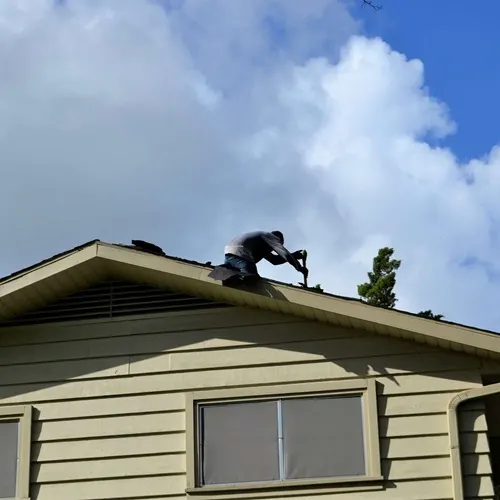
Your roof is one of the most important structural systems in your home. It protects against rain, humidity, hail, wind uplift, UV exposure, and temperature swings, all of which are common across Texas and Oklahoma.
Following proper roofing tips & maintenance strategies can extend roof lifespan, prevent premature roof replacement, and significantly reduce long-term repair costs.
According to industry data from the National Roofing Contractors Association (NRCA), preventative maintenance can extend the life of a roofing system by several years compared to neglected systems.
In this guide, we’ll break down professional-level roof maintenance strategies, explain warning signs, and outline when to call in experts like The Roof Guys.
Why Roofing Tips & Maintenance Matter More Than Most Homeowners Realize
Roof systems are exposed 24/7 to environmental stress. Over time, even minor wear can compromise structural integrity.
Routine roof maintenance helps:
- Extend roof lifespan: Most asphalt shingle roofs are designed to last 20–30 years under normal conditions. Without maintenance, that lifespan can be shortened due to moisture intrusion, UV degradation, and storm damage.
- Prevent leaks and interior damage: A single small leak can allow water to travel through insulation and framing before becoming visible inside your home. Early intervention prevents drywall damage, mold growth, and structural rot.
- Protect insulation and energy efficiency: Damaged roofing systems allow heat transfer and air leakage. According to the U.S. Department of Energy, improper roof ventilation and insulation can increase cooling costs during hot months.
- Reduce emergency repair costs: Emergency roofing services often cost significantly more than planned maintenance. Addressing minor flashing damage or shingle lifting early avoids expensive structural repairs.
Preventative care is not just maintenance, it’s financial protection.
Common Signs of Roof Damage & What They Mean
Understanding the early signs of roof damage is a critical part of effective roofing tips & maintenance. Identifying problems such as shingle deterioration, flashing failure, or hidden leaks early can prevent costly roof repair, structural damage, and premature roof replacement.
The table below outlines the most common warning signs homeowners should monitor, what they typically indicate, and the recommended next steps to protect your roofing system
| Warning Sign | What It Indicates | Risk Level | Recommended Action |
| Missing Shingles | Wind uplift or adhesive failure | Moderate–High | Schedule roof repair immediately |
| Granules in Gutters | Aging asphalt shingles | Moderate | Inspect shingle condition |
| Water Stains on Ceiling | Active or past leak | High | Professional leak detection |
| Sagging Roofline | Structural moisture damage | Severe | Urgent inspection required |
| Damaged Flashing | Compromised waterproof seal | High | Flashing repair or replacement |
| Hail Impact Marks | Shingle bruising & weakened structure | Moderate | Storm damage evaluation |
10 Essential Roofing Tips Every Homeowner Should Follow
1. Schedule Regular Roof Inspections
A professional roof inspection is the foundation of proper maintenance. Roofing professionals assess shingles, flashing, ventilation systems, and structural components.
Industry best practice recommends:
- One annual inspection
- Additional inspections after major storms
- Pre-sale or pre-purchase inspections
Professional inspections detect hidden issues such as slow leaks, compromised underlayment, or flashing separation.
2. Check for Signs of Roof Damage
Early detection dramatically reduces roof repair costs.
Common signs of roof damage include:
- Missing or curling shingles – Wind uplift can break the seal between shingles and decking.
- Granule loss – Excessive granules in gutters may indicate aging shingles.
- Ceiling stains – Brown or yellow discoloration often signals hidden water intrusion.
- Sagging rooflines – Structural stress or trapped moisture can compromise decking.
- Damaged flashing – Flashing failures around chimneys and vents are among the leading causes of leaks.
Prompt action reduces the risk of structural damage.
3. Clean and Maintain Gutters
Gutters play a critical role in overall roof performance.
Clogged gutters cause:
- Water pooling near the roof edge
- Fascia board deterioration
- Foundation moisture issues
- Increased risk of interior leaks
Standing water adds weight and strain to roof edges, especially during heavy rain.
Routine cleaning at least twice per year is recommended.
4. Address Roof Leaks Immediately
Water infiltration spreads quickly.
Even a small leak can:
- Soak attic insulation
- Warp decking
- Encourage mold growth within 24–48 hours in humid conditions
Professional leak detection uses systematic inspection methods to locate moisture entry points.
5. Trim Overhanging Tree Branches
Trees are a common but overlooked risk factor.
Overhanging branches can:
- Scrape shingle surfaces
- Dislodge granules
- Drop heavy debris during storms
- Provide entry points for rodents and pests
Maintaining safe clearance reduces mechanical damage and organic debris buildup.
6. Watch for Storm Damage
Texas and Oklahoma frequently experience severe weather, including hail and strong winds.
Storm-related damage often includes:
- Hail bruising that weakens shingles
- Wind uplift that breaks adhesive seals
- Impact damage from debris
Many forms of storm damage are not visible from the ground. Professional evaluation ensures no hidden compromise.
7. Ensure Proper Roof Waterproofing
Proper roof waterproofing protects structural components beneath the surface.
Waterproofing systems help:
- Prevent underlayment deterioration
- Protect decking from rot
- Improve long-term structural durability
Flat and commercial roofing systems require particular attention to membrane integrity and drainage.
8. Maintain Shingle Roofing Systems
Asphalt shingles remain one of the most widely used residential roofing materials in the U.S.
Routine checks help identify:
- Surface cracking
- Blistering due to heat exposure
- Improper fastening
- Sealant strip failure
Regular monitoring ensures small issues don’t become full replacements.
9. Consider Preventative Maintenance Plans
Preventative programs provide structured oversight of your roof system.
Benefits include:
- Scheduled inspections
- Early problem detection
- Extended system lifespan
- Reduced emergency service calls
10. Know When Roof Replacement Is Necessary
While maintenance extends lifespan, every roof eventually reaches the end of its service life.
Indicators roof replacement may be necessary:
- Repeated leak repairs
- Extensive shingle deterioration
- Structural sagging
- Advanced aging beyond material expectations
Replacing a roof before catastrophic failure prevents interior structural damage.
Recommended Roof Maintenance Schedule
Following a structured roof maintenance schedule is one of the most effective ways to extend the lifespan of your roofing system and prevent costly emergency repairs. The table below outlines recommended inspection timelines and service intervals to help homeowners stay proactive with roofing tips & maintenance.
| Maintenance Task | Frequency | Why It Matters | Related Service |
| Professional Roof Inspection | Once per year + after major storms | Detects hidden damage, flashing issues, and early leaks before structural deterioration begins | Roof Inspection Services |
| Gutter Cleaning | 2x per year (Spring & Fall) | Prevents water backup, fascia damage, and foundation issues | Gutter Services |
| Shingle Condition Check | Annually | Identifies curling, cracking, and granule loss that lead to leaks | Asphalt Shingle Roofing |
| Storm Damage Assessment | After hail, high winds, or hurricanes | Identifies impact damage not visible from ground level | Storm Damage Services |
| Leak Detection | Immediately when stains appear | Prevents mold growth and insulation damage | Roof Leak Detection |
| Preventative Maintenance Plan | Ongoing | Extends roof lifespan and reduces emergency repair costs | Roof Maintenance |
Residential vs. Commercial Roofing Maintenance
Residential Roofing Maintenance
Home systems typically require:
- Annual inspections
- Ventilation checks
- Shingle condition monitoring
- Gutter system cleaning
Residential roofs are heavily affected by attic ventilation performance and insulation balance.
Commercial Roofing Maintenance
Commercial properties require:
- Drainage inspections
- Membrane seam checks (TPO or EPDM)
- Waterproofing system evaluation
- Scheduled preventative maintenance
Flat roofs must maintain proper slope and drainage to avoid standing water, which increases long-term deterioration risk.
Protect Your Roof Before Small Problems Become Expensive Repairs
Your roof is your home’s first line of defense against heavy rain, hail, high winds, humidity, and extreme heat. Even minor damage can escalate quickly, leading to interior water intrusion, insulation damage, mold growth, and structural deterioration.
Don’t wait until you see water stains on your ceiling. Early detection saves thousands in preventable repairs
Call (281) 895-8011 or schedule your inspection online today. Our team is available 24/7 to keep your roof secure, efficient, and storm-ready.
The Roof Guys
Address: 28100 Robinson Rd Ste. F, Conroe, TX 77385, United States
Phone Number: (281) 895-8011
Google Maps: Find Us Here
Business Hours:
Monday: Open 24 hours
Tuesday: Open 24 hours
Wednesday: Open 24 hours
Thursday: Open 24 hours
Friday: Open 24 hours
Saturday: Open 24 hours
Sunday: Open 24 hours.
FAQs About Roofing Tips & Maintenance
How often should roof maintenance be performed?
Roof maintenance should be performed at least once per year and after major storms. High-risk weather regions may benefit from more frequent inspections.
What are the most common signs of roof damage?
Missing shingles, interior stains, flashing damage, sagging rooflines, and granule loss are among the most common indicators of deterioration.
Is roof inspection necessary if there are no visible problems?
Yes. Many roofing issues develop beneath the surface and can only be identified during professional evaluation.
Can I perform roof maintenance myself?
Basic visual checks and gutter cleaning are possible from the ground. However, professional inspections ensure safety and thorough evaluation.
How long does a typical residential roof last?
Most asphalt shingle roofs last between 20–30 years depending on installation quality, material grade, climate exposure, and maintenance frequency.
What should I do after a storm?
Conduct a ground-level visual inspection and schedule professional evaluation to detect hidden damage.