
Residential Roofing Services
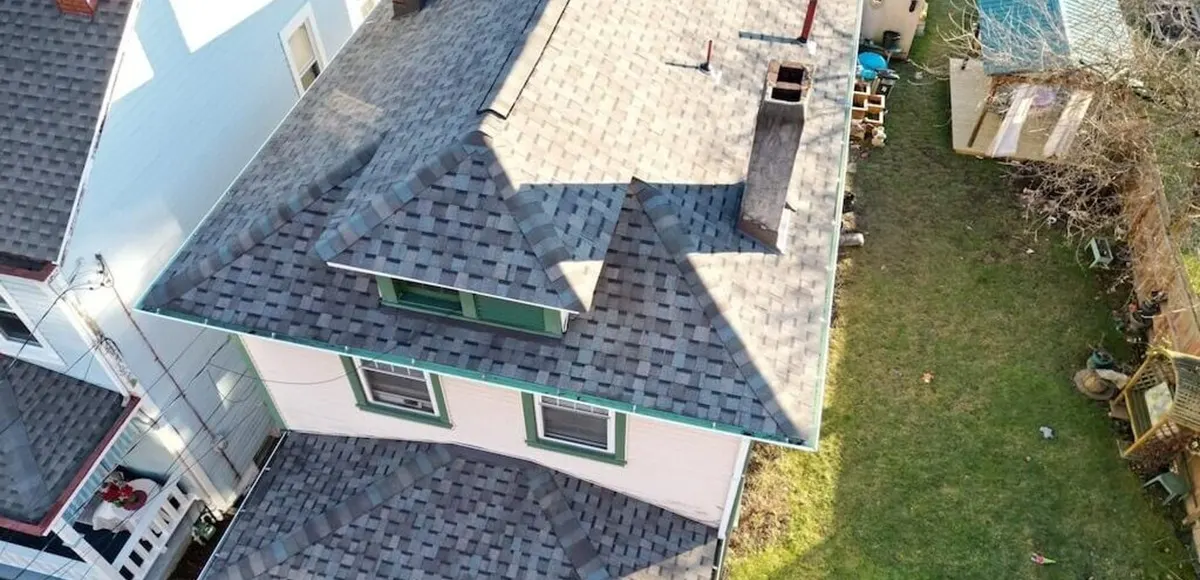
Protect Your Home With Expert Residential Roofing Services
Your roof is your home’s first line of defense against Texas heat, Oklahoma storms, and everything in between. The Roof Guys provide professional residential roofing services designed to keep your home dry, comfortable, and protected year-round. Whether you need a small repair or a full roof replacement, our team delivers code-compliant, high-quality work backed by attentive customer service.
If you’re searching for a trusted roofer for your home, The Roof Guys are ready to help with honest recommendations and clear communication from start to finish.
Proper roofing installation and maintenance are essential for protecting homes from severe weather and structural damage. Organizations like the National Roofing Contractors Association (NRCA) provide guidance on residential roofing standards and best practices.







Residential Roofing Services We Offer
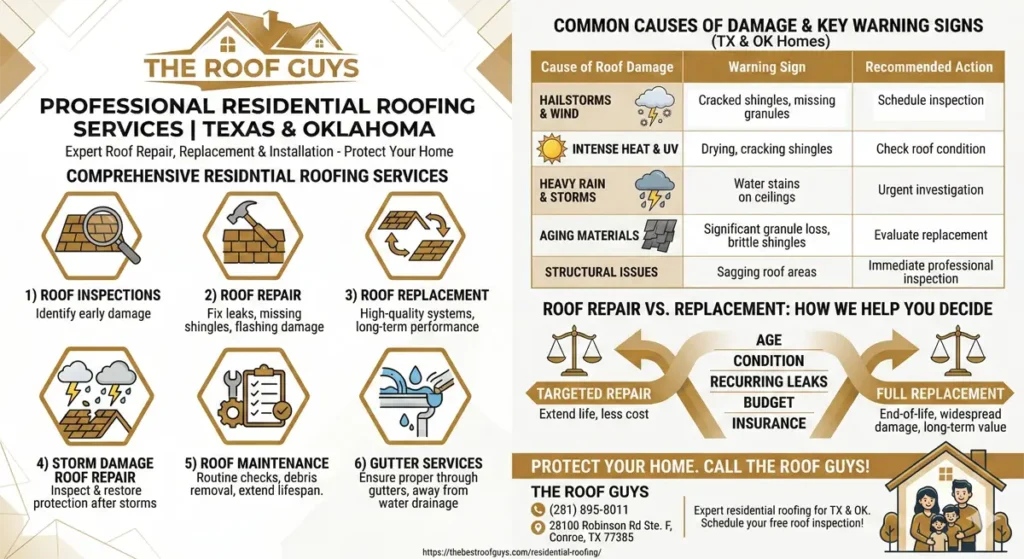
A professional roof inspection helps identify early signs of damage caused by hail, wind, and aging roofing materials common in Texas and Oklahoma. Regular inspections allow homeowners to catch small issues before they become expensive structural problems.
From missing shingles and flashing damage to minor roof leaks, we diagnose the issue and complete durable roof repairs designed to blend with your existing roof. Our repairs are built to withstand the heat, storms, and seasonal weather changes common in this region.
When repairs are no longer practical, we remove the existing roofing system and install a high-quality roof replacement designed for long-term performance. Our team helps homeowners choose materials that work best for Texas heat, Oklahoma storms, and long-term durability.
Routine roof maintenance helps extend the lifespan of your roofing system. Regular inspections, debris removal, and minor repairs help prevent storm-related damage, leaks, and premature roof deterioration.
Severe weather is common across Texas and Oklahoma. After hailstorms, strong winds, or heavy rain, our team inspects your roof, documents storm damage, and completes professional storm damage repairs to restore your home’s protection.
Properly functioning gutters play an important role in protecting your roof and foundation. Our gutter services help ensure rainwater is safely directed away from your home, reducing the risk of roof leaks, siding damage, and foundation issues.
Asphalt Shingle Roofing for Lasting Curb Appeal
Asphalt shingle roofing is one of the most popular choices for residential roofing thanks to its balance of performance, appearance, and value. The Roof Guys install and service asphalt shingle roofs for homes of all sizes and styles.
With asphalt shingles, you can expect:
- A wide range of colors and profiles to complement your home’s exterior
- Reliable protection against rain, wind, and sun exposure
- Options to fit different budgets and aesthetic preferences
- Straightforward maintenance and repair over the roof’s life
Our team evaluates your existing roof deck, ventilation, and local weather conditions to recommend the right asphalt shingle system for your home. Proper installation is critical to performance, and we follow manufacturer installation requirements and local building codes on every project.
Shingle Certifications and Brands We Rely On
Shingle quality and installation standards have a direct impact on how long your roof lasts and how well it protects your home. The Roof Guys work with established asphalt shingle manufacturers and follow their certification and training requirements so our crews install products according to the latest guidelines.
Here’s what that means for you:
- Shingles are installed to manufacturer specifications for wind, fastening, and underlayment
- Your roof system is built with compatible components designed to work together
- You can take advantage of manufacturer-backed warranties where available
- You get peace of mind knowing your contractor understands current roofing standards
If you’d like to learn more about the specific shingle options, performance ratings, and warranty possibilities for your home, our team can walk you through the choices during your inspection or estimate and point you to our brands and certifications information.
Common Causes of Residential Roof Damage in Texas & Oklahoma
Residential roofs in Texas and Oklahoma are exposed to extreme weather conditions throughout the year. The table below highlights the most common causes of roof damage homeowners face and why regular inspections are important.
Cause of Roof Damage | How It Affects Your Roof | Why It Matters |
Hailstorms | Impact can crack shingles and loosen granules | Weakens shingle protection and may cause leaks |
High Winds | Wind uplift can tear shingles or flashing | Exposes the roof deck to rainwater |
Intense Heat & UV Exposure | Prolonged sun exposure dries roofing materials | Causes shingles to crack or curl over time |
Heavy Rain & Storms | Water intrusion through weak areas | Can lead to attic moisture and ceiling damage |
Aging Roofing Materials | Materials lose strength over time | Older roofs are more vulnerable to storm damage |
Homeowners in storm-prone regions can learn more about protecting their homes from severe weather through FEMA’s property protection guidance.
Residential Roofing Materials Comparison for Texas & Oklahoma Homes
Choosing the right roofing material can significantly impact durability, maintenance needs, and long-term performance. The following table compares popular residential roofing materials used in Texas and Oklahoma.
Roofing Material | Average Lifespan | Key Benefits | Ideal Use |
Asphalt Shingles | 20–30 years | Affordable, versatile, widely available | Most residential homes |
40–70 years | Strong wind resistance and durability | Homes in storm-prone areas | |
Architectural Shingles | 30+ years | Enhanced durability and aesthetic appeal | Higher-end residential homes |
Flat Roof Systems | 20–30 years | Suitable for low-slope roof sections | Modern homes or additions |
Why Choose The Roof Guys
When you’re trusting a contractor with your home’s roof, you want more than just a quick fix, you want a team that understands residential roofing, local weather, and long-term performance. The Roof Guys focus on expertise, communication, and consistency so homeowners feel confident at every stage of the project.
Here are a few reasons homeowners choose us for residential roof repairs, replacements, and inspections:
- Specialized residential expertise: We concentrate on helping homeowners protect and improve their properties with dedicated residential roofing services, from routine inspections to full roof replacements.
- Full-service solutions under one roof: Instead of coordinating multiple contractors, you can rely on one team for inspections, repairs, replacements, storm damage services, and gutters.
- Storm-ready and responsive: Severe weather can cause sudden roofing issues. Our experience with storm damage and emergency roofing means we understand how to stabilize problems quickly and plan lasting repairs.
- Local knowledge across multiple communities: We serve homeowners in several Texas and Oklahoma markets, with dedicated location pages that speak to the specific weather and roof challenges in each area.
- Proven results and customer feedback: Homeowners can explore real project examples in our project gallery and read authentic experiences on our testimonials page to see how we’ve helped other families protect their homes.
- Transparent process and clear communication: From the first contact and written roofing estimate to the final walkthrough, we explain what we’re doing and why, so you always know what to expect.
Areas We Serve
Licensed Commercial & Residential Roofing Contractor
The Roof Guys – quality materials, expert service, and lasting protection guaranteed.
Our Residential Roofing Process
Our residential roofing services are designed to be straightforward and stress-free. Here’s what you can expect when you work with The Roof Guys:
1. Consultation & Inspection
We start with a conversation about your concerns, leaks, age of the roof, storm damage, or plans to sell your home. Then we perform a roof inspection to document current conditions, identify problems, and evaluate options.
2. Clear Recommendations & Estimate
We explain what we found in plain language and provide recommendations tailored to your goals and budget. You’ll receive a detailed written roofing estimate outlining the scope of work, materials, and timeline so there are no surprises.
You can easily request a free inspection to get started.
3. Scheduling & Preparation
Once you approve the proposal, we schedule your project, confirm material selections, and coordinate access to your property. We protect landscaping and exterior features before work begins.
4. Professional Installation or Repair
Our crews complete the agreed-upon work, following industry best practices and local building codes. We prioritize site safety, communication, and workmanship quality throughout the project.
5. Cleanup & Final Walkthrough
We clean up debris, remove materials, and perform a final walkthrough so you can see the completed work and ask any questions. We also review any applicable warranty information and maintenance tips.
Signs Your Residential Roof Needs Professional Attention
Many roofing problems begin with subtle warning signs before turning into major leaks or structural damage. Recognizing these signs early can help homeowners schedule repairs before the damage worsens.
Warning Sign | What It May Indicate | Recommended Action |
Water stains on ceilings | Active or hidden roof leak | Schedule a roof inspection |
Missing or damaged shingles | Wind or storm damage | Repair or replace affected shingles |
Granules in gutters | Shingle aging or deterioration | Evaluate roof condition |
Sagging roof areas | Structural or decking damage | Immediate professional inspection |
Mold or mildew in attic | Poor ventilation or moisture intrusion | Inspect roof ventilation |
Roof Replacement vs. Roof Repair – How We Help You Decide
Choosing between roof repair and full roof replacement is one of the biggest decisions homeowners face. Our goal is to help you make an informed choice, not to push you into unnecessary work.
We’ll consider factors like:
- Age and overall condition of your current roof
- The extent and location of leaks or damage
- How often you’ve needed repairs in recent years
- Your budget and long-term plans for the home
- Local code requirements and insurance considerations
In many cases, a targeted repair can safely extend the life of your roof. In other situations—such as widespread granule loss, significant storm damage, or end-of-life shingles—a full replacement may be the more cost-effective long-term solution.
What Our Clients Are Saying
We believe the best proof of our service comes directly from the homeowners, businesses, and property managers we proudly serve.
Roof Maintenance to Extend the Life of Your Roof
Even the best residential roofing system benefits from routine maintenance. Periodic professional checkups can help catch minor issues long before they turn into leaks or structural damage.
A typical roof maintenance visit may include:
- Visual inspection of shingles, flashing, and penetrations
- Checking for nail pops, lifted shingles, or exposed fasteners
- Clearing debris from key roof areas
- Identifying early signs of leaks or moisture problems
- Recommending any needed repairs or improvements
By pairing regular maintenance with quality installation, homeowners can get more years of reliable performance from their roof and reduce the risk of unexpected emergencies.
Protect Your Home with Expert Residential Roofing in Texas & Oklahoma
Your home deserves a strong, reliable roof built to handle the heat, hail, wind, and severe storms common in Texas and Oklahoma. Our experienced roofing contractors provide complete residential roofing services, including roof inspections, roof repair, roof replacement, and new roof installation tailored to your home’s needs. We use high-quality materials and proven installation methods to ensure long-term durability and protection.
Call The Roof Guys today at (281) 895-8011 to schedule your free residential roof inspection and estimate.
The Roof Guys
Business Hours
Monday: Open 24 hours
Tuesday: Open 24 hours
Wednesday: Open 24 hours
Thursday: Open 24 hours
Friday: Open 24 hours
Saturday: Open 24 hours
Sunday: Open 24 hours
Frequently Asked Questions
We provide complete residential roofing services, including roof inspections, roof repairs, roof replacement, asphalt shingle roofing, storm damage roof repair, and routine roof maintenance. Our services are designed to help homeowners protect their roofs from Texas heat, Oklahoma storms, hail, and high winds.
Signs like recurring leaks, widespread shingle damage, sagging areas, or roofs over 20 years old may indicate a need for replacement. During a professional roof inspection, we evaluate storm damage, aging materials, and structural condition to recommend the best solution.
Asphalt shingles are widely used because they provide strong weather resistance, affordable pricing, and multiple style options. They perform well in the heat, wind, and storm conditions common throughout Texas and Oklahoma.
We begin with a roof inspection and detailed estimate, followed by scheduled installation or repairs. Our team completes the work according to local building codes and manufacturer standards, cleans the site, and reviews the finished roof with you.
Most homeowners benefit from a roof inspection every 1–2 years and after major storms. Regular inspections help identify damage from hail, wind, and severe weather before it leads to interior leaks.
Yes. After hailstorms, high winds, or severe weather, we inspect the roof, document visible damage, and provide repair or replacement recommendations. We can also provide documentation to help support insurance claim discussions.
We install asphalt shingles, metal roofing systems, and other durable roofing materials designed for residential homes in Texas and Oklahoma. During your consultation, we help you choose the best option for durability, appearance, and budget.
Yes. We install roofing systems with proper ventilation and reflective materials that help reduce heat buildup and improve indoor comfort during hot Texas and Oklahoma summers.
Costs vary depending on the roof size, materials, and type of service needed. Minor roof repairs may cost a few hundred dollars, while full residential roof replacements typically range from $6,000 to $15,000+ for many homes.
How Can We Help?



Our Roofing Services
Why Choose The Roof Guys
When you’re trusting a contractor with your home’s roof, you want more than just a quick fix, you want a team that understands residential roofing, local weather, and long-term performance. The Roof Guys focus on expertise, communication, and consistency so homeowners feel confident at every stage of the project.
Here are a few reasons homeowners choose us for residential roof repairs, replacements, and inspections:
- Specialized residential expertise: We concentrate on helping homeowners protect and improve their properties with dedicated residential roofing services, from routine inspections to full roof replacements.
- Full-service solutions under one roof: Instead of coordinating multiple contractors, you can rely on one team for inspections, repairs, replacements, storm damage services, and gutters.
- Storm-ready and responsive: Severe weather can cause sudden roofing issues. Our experience with storm damage and emergency roofing means we understand how to stabilize problems quickly and plan lasting repairs.
- Local knowledge across multiple communities: We serve homeowners in several Texas and Oklahoma markets, with dedicated location pages that speak to the specific weather and roof challenges in each area.
- Proven results and customer feedback: Homeowners can explore real project examples in our project gallery and read authentic experiences on our testimonials page to see how we’ve helped other families protect their homes.
- Transparent process and clear communication: From the first contact and written roofing estimate to the final walkthrough, we explain what we’re doing and why, so you always know what to expect.
The Roof Guys
Business Hours
Monday: Open 24 hours
Tuesday: Open 24 hours
Wednesday: Open 24 hours
Thursday: Open 24 hours
Friday: Open 24 hours
Saturday: Open 24 hours
Sunday: Open 24 hours

Get Started
Have questions about your roof? Ready to start your next roofing project? Whether you’re dealing with storm damage, a leaky roof, or planning a complete roof replacement, our team is here to help.
How Can We Help?