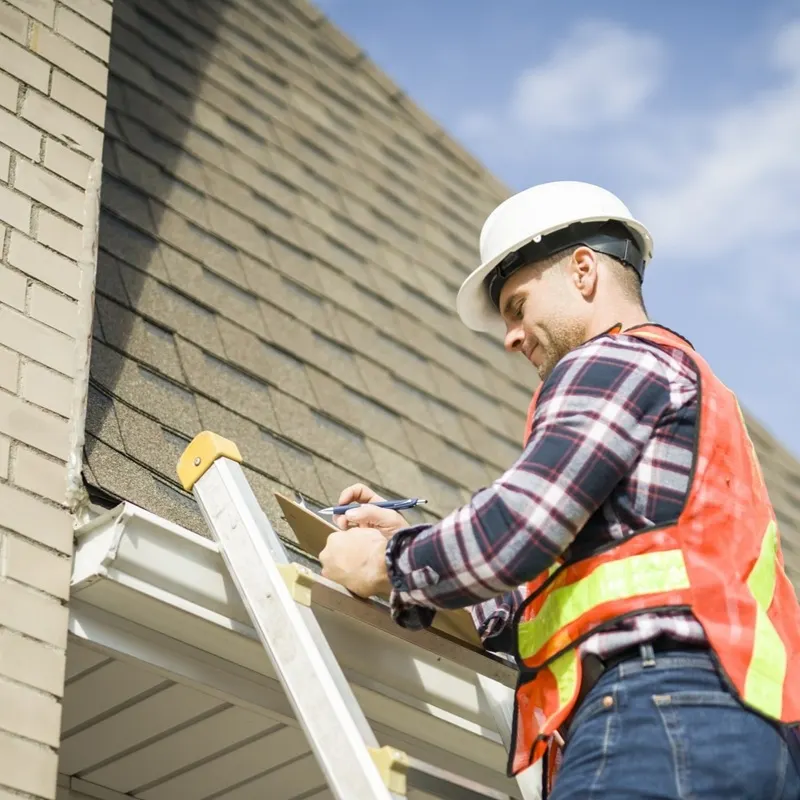
Why Roof Inspections Are the First Line of Defense for Your Home
Roof inspections are a professional assessment of your roofing system’s condition — and for Texas and Oklahoma homeowners dealing with hail, wind, and storm damage, they’re one of the most important steps you can take to protect your home.
Here’s what you need to know at a glance:
| Question | Quick Answer |
|---|---|
| What is a roof inspection? | A visual and physical evaluation of your roof’s materials, structure, drainage, and interior |
| How often should you get one? | Twice a year (spring and fall), plus after any major storm |
| How much does it cost? | $75–$675 for residential; many companies offer free inspections |
| Who should do it? | A licensed, experienced roofing professional |
| What does it reveal? | Leaks, damaged shingles, flashing failures, mold risk, and structural damage |
Your roof can look perfectly fine from the street and still have problems that lead to thousands of dollars in damage. Small leaks cause rot. Rot causes mold. Mold causes structural failure. The damage compounds fast — and it almost always starts before you notice anything inside your home.
A professional roofing contractor can catch these issues early, document damage for insurance claims, and help you avoid the kind of expensive repairs that come from waiting too long.
I’m Cash Walker, part of the leadership team at The Roof Guys — a Greater Houston roofing company with over 30 years of experience performing roof inspections and repairs across Texas. In that time, I’ve seen how a single missed inspection can turn a $300 flashing repair into a $15,000 structural problem.
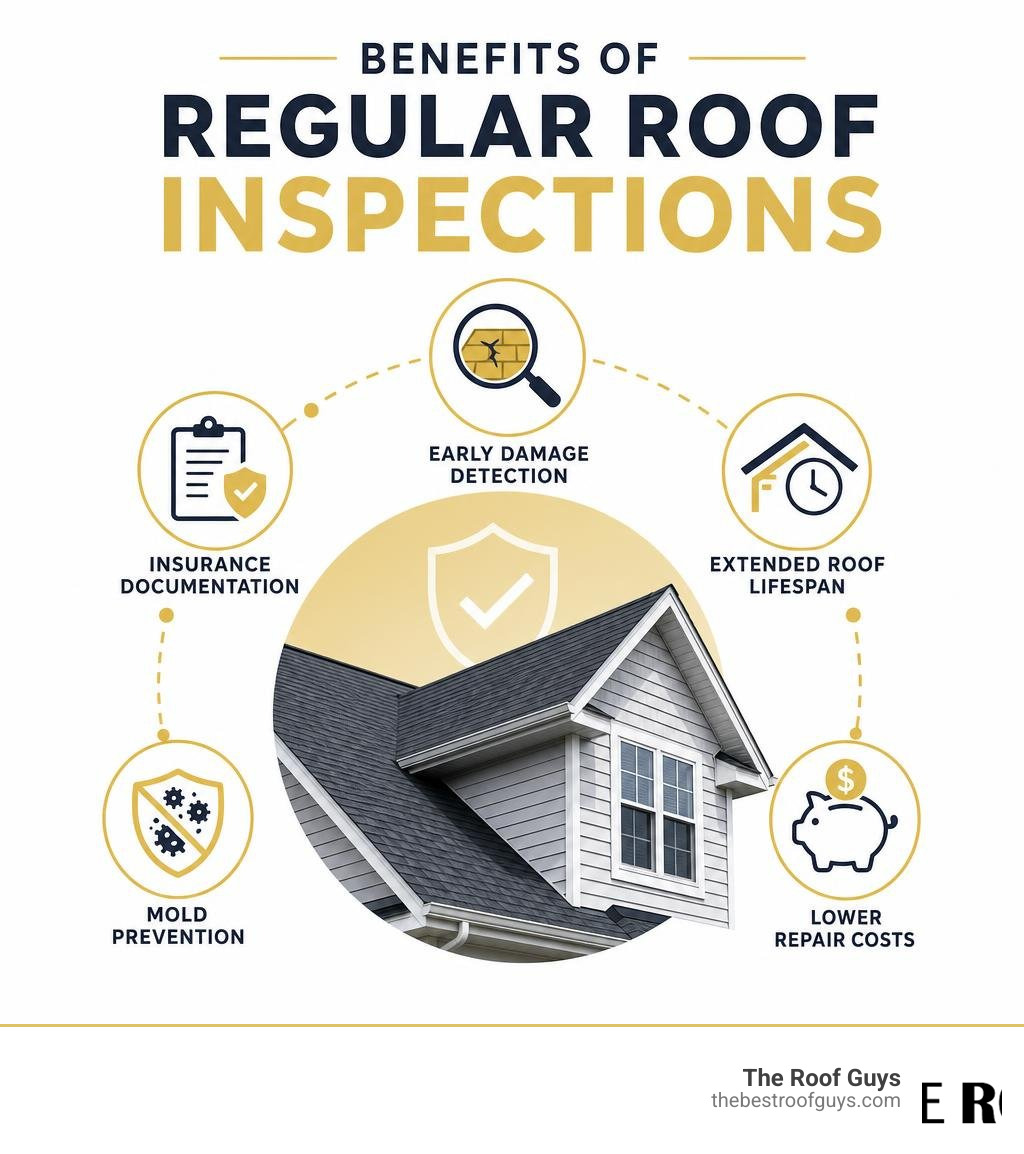
Roof inspections basics:
What is a Professional Roof Inspection and What Does It Include?
A professional roof inspection is a systematic, top-to-bottom evaluation of your home’s entire roofing assembly. It is not just a quick glance from the driveway. Instead, a certified inspector physically climbs onto the roof (or uses advanced scanning technology) to assess several key components.

During a standard inspection, we evaluate:
- Visual Assessment: We look for surface wear, manufacturing defects, and weathering.
- Structural Integrity: We check for sagging, bowing, or uneven roof planes, which often indicate structural issues with the underlying decking or rafters.
- Material Condition: We examine shingles, tiles, or metal panels for cracks, curling, missing granules, and physical damage.
- Interior Attic Check: We look at the underside of the roof deck for water stains, active leaks, mold growth, and structural decay.
- Ventilation Performance: We ensure your soffit, ridge, and gable vents are balanced. Poor ventilation traps hot air, causing asphalt shingles to buckle and warp prematurely.
- Gutter Drainage: We inspect gutters and downspouts for secure attachment, correct slope, and blockages that cause water to back up under your shingles.
- Flashing Seals: We check the weatherproofing seals around chimneys, skylights, dormers, and vent pipes, which are the most common leak points on any roof.
The Five-Zone Process for Comprehensive Roof Inspections
A truly thorough evaluation follows a standardized multi-zone process to ensure no stone is left unturned. Following industry benchmarks like the InterNACHI standards of practice, a comprehensive inspection covers five key areas of your property:
- The Interior Zone: We inspect ceilings and walls on the upper floors of your home for water stains, peeling paint, or bubbling plaster.
- The Attic Zone: We climb into your attic space to check the insulation for dampness, verify that exhaust vents are clear, and inspect the rafters for wood rot or mold.
- The Perimeter Zone: We examine the eaves, fascia boards, soffits, and gutters from the exterior to check for dry rot, water runoff issues, and pest infestation.
- The Garage Zone: If you have an attached or detached garage, we inspect its roof assembly, as garage roofs are often neglected but can still harbor structural damage.
- The Rooftop Zone: This is the hands-on evaluation of the shingles, flashing, valleys, and penetrations.
By evaluating these five zones, we can pinpoint the exact source of a leak rather than just treating the symptom. For a deeper look at this process, check out our guide on what roofing contractors do during inspections.
Common Inspection Methods: From Ladders to Drones
Roofing technology has advanced rapidly. Today, inspectors use several methods to evaluate a roof safely and accurately:
- Physical Ladder Access: The traditional method remains the gold standard for tactile feedback. Walking the roof allows an inspector to feel for soft spots in the decking and check the adhesion of shingle sealant strips.
- Drone Scanning: High-resolution aerial photography allows us to inspect steep, high, or fragile roofs (such as slate or clay tile) safely. Drones can capture detailed imagery of hard-to-reach areas without risking damage to the materials.
- Thermal Imaging and Infrared Technology: Handheld infrared cameras detect temperature differentials on the roof surface. Because wet insulation holds heat longer than dry insulation, thermal scans can locate hidden leaks behind walls and under roofing membranes before they drip through your ceiling.
Why Regular Roof Inspections Are Essential for Homeowners
Your roof is under constant attack from the elements. Over time, UV rays degrade asphalt, wind loosens fasteners, and rain finds the path of least resistance. Regular assessments are crucial because they catch minor issues before they turn into major headaches.
By practicing proactive roof maintenance, you can extend your roof’s lifespan, prevent structural wood rot, protect your family from toxic mold, and maintain a documented paper trail for your home insurance company.
How Often Should You Schedule a Roof Inspection?
As a rule of thumb, homeowners should perform a roof inspection twice a year, once in the spring and again in the fall, to check for damage from seasonal weather.
- Spring/Early Summer: This timing catches any damage caused by winter freezes, heavy spring rains, and severe hail storms.
- Fall: This inspection ensures your roof is sealed and ready for winter weather, heavy winds, and freezing temperatures.
- Post-Storm Assessments: If your neighborhood experiences a severe storm with winds exceeding 50 mph or hail larger than one inch, you should schedule an inspection immediately, regardless of when your last check was.
- Older Roofs (15+ Years): If your roof is approaching the end of its typical lifespan, annual inspections become mandatory to track deterioration and plan for your next replacement.
Warning Signs Your Roof Needs Immediate Attention
While we recommend twice-yearly checks, you should monitor your roof for immediate warning signs. If you notice any of the following, call a professional right away:
- Granules in your gutters: Asphalt shingles shed their protective mineral granules as they age. If your gutters look like they are filled with dark sand, your shingles are reaching the end of their life.
- Water stains on your ceilings or walls: This is a clear indicator that water has already bypassed your shingles, underlayment, and decking.
- Sagging roofline: A dipping or sagging roof plane indicates structural damage to the decking or rafters, requiring urgent attention.
- Missing, cracked, or curling shingles: Exposed underlayment will quickly degrade under UV light and rain.
- Cracked flashing or degraded sealant: If the metal plates around your chimney or vents are rusted or loose, a leak is imminent.
For a comprehensive list of what to watch for, consult our homeowner’s checklist for roof replacement and learn how to identify signs your roof needs immediate replacement.
The Financial Side: Costs, Certifications, and Insurance Claims
Understanding the financial aspects of roof maintenance can save you thousands of dollars. Let’s break down what you can expect to pay and how inspections relate to your home insurance policy.
| Inspection Type | Average Cost Range | Key Deliverables |
|---|---|---|
| Standard Visual Inspection | $75 – $250 | Basic visual check, photo documentation, and a repair estimate. |
| Drone / Thermal Scan | $200 – $400 | High-resolution aerial photos, infrared leak detection, and detailed reports. |
| Roof Certification | $275 – $675 | Formal guarantee of roof life expectancy (usually 2–5 years) for real estate transactions. |
| Commercial Roof Inspection | $300 – $1,000 | Core sampling, membrane testing, drainage analysis, and long-term maintenance planning. |
Understanding the Average Cost of Roof Inspections
While many reputable local roofers offer free storm damage assessments, specialized or official inspections carry a fee. Roof inspection costs can range from $75 to $675, depending on roofing materials, drone or thermal technology use, and local inspection rates.
The total cost is influenced by the size of your home, the pitch (steepness) of your roof, the height of the building, and whether you require a specialized written certification for a real estate transaction.
What Happens If a Roof Fails an Insurance Inspection?
When you purchase a new homeowners insurance policy or renew an existing one, your insurance company may order an independent roof inspection. If the inspector finds major deficiencies—such as active leaks, over-spanned rafters, or shingles past their useful life—your policy could be at risk.
Under federal housing guidelines and standard insurance protocols, major roof assembly deficiencies must be addressed quickly. For instance, the correction timeframe is typically 30 days for all listed deficiencies under strict safety guidelines like the HUD physical inspection standards.
If you do not complete the required repairs within this window, your insurance company may:
- Cancel your policy entirely.
- Exclude roof coverage from your policy (meaning they will not pay for future storm damage).
- Switch your coverage from Replacement Cost Value (RCV) to Actual Cash Value (ACV), which factors in depreciation and pays out significantly less in the event of a claim.
If your roof has flagged issues, acting quickly to schedule professional roof repair is the best way to keep your coverage intact.
DIY Roof Inspections vs. Professional Assessments
While we always recommend hiring a professional for a complete evaluation, homeowners can perform basic visual checks to monitor their roofs between professional visits.
A Homeowner’s Checklist for DIY Roof Inspections
You can safely inspect your roof from the ground and inside your attic by following this simple checklist:
- Use Binoculars: Walk around the perimeter of your home and use binoculars to inspect the shingles. Look for lifting, curling, or missing pieces.
- Check the Gutters: Look inside your gutter troughs. Clear out leaves and debris, and check for a buildup of dark asphalt granules.
- Inspect the Flashings: From the ground or a secure ladder at the eave, check if the metal flashing around your chimney or valleys looks warped or rusted.
- Examine the Attic: Go into your attic with a flashlight during a heavy rainstorm. Look at the rafters and underside of the deck for dark water spots, active drips, or white mold.
If you catch minor wear and tear during your DIY check, scheduling a quick roof tune-up service is an excellent, low-cost way to save your shingles and extend your roof’s life.
When to Call a Certified Professional
Never walk on your roof if it is steep, high, wet, or icy. Standard home attic access and ground-level checks are safe, but climbing onto a roof carries significant fall risks.
Additionally, professional inspectors have specialized training to spot microscopic hail bruises, underlayment failure, and structural deflection that are invisible to the untrained eye. If you are buying a home, you will also need a certified professional to provide a formal report. Learn how to get a roof inspection estimate when buying a house to protect your investment before closing.
Regional and Climate Variations in Roofing Needs
Roofing systems degrade differently depending on where you live. Our primary service areas face unique weather patterns that dictate what we look for during an inspection:
- Texas (Houston, Pasadena, Conroe, The Woodlands, Huntsville, Spring, Katy): In these areas, extreme summer heat and high humidity bake asphalt shingles, causing them to dry out, lose their flexibility, and blister. Coastal salt air near Pasadena can accelerate the rusting of metal flashings and fasteners. In communities like The Woodlands, Texas, heavy tree canopies drop debris that traps moisture on the roof, promoting algae and moss growth.
- Oklahoma (Tulsa, Oklahoma City): Homeowners here deal with severe severe wind and hail storms. During inspections in Oklahoma, we focus heavily on locating wind-lifted shingles, impact bruises from hail, and structural damage to the roof deck.
Frequently Asked Questions About Roof Inspections
How long does a professional roof inspection take?
A standard residential roof inspection typically takes between 30 and 120 minutes. The exact duration depends on the size of your home, the complexity of the roof’s pitch, the accessibility of your attic, and whether the inspector is using advanced drone technology.
Does homeowners insurance cover the cost of a roof inspection?
Generally, insurance companies do not pay for routine maintenance inspections or real estate pre-purchase inspections. However, if you have experienced a documented storm event (such as a hail storm or tornado), we provide free storm damage inspections to map the damage and provide the detailed photo documentation your insurance adjuster needs to process your claim.
What is the difference between a roof inspection and a roof certification?
A roof inspection is a visual assessment of the roof’s current condition and any repair needs. A roof certification is a formal, written guarantee issued by a certified inspector stating that the roof is free of active leaks and has an estimated remaining lifespan of at least two to five years. Certifications are often required by mortgage lenders and buyers during real estate transactions.
Conclusion
Your roof is the most critical protective barrier your home has against the unpredictable weather of Texas and Oklahoma. Regular roof inspections are the single most effective way to catch minor wear and tear before it translates into thousands of dollars in interior water damage.
At The Roof Guys, we specialize in helping homeowners protect their investments. Whether you need a routine seasonal check, a post-storm damage assessment, or a comprehensive inspection report for a real estate transaction, our experienced team is here to help. We are proud to offer our customers an ultra-fast turnaround, an industry-leading 10-year warranty, and expert storm response.
Don’t wait for a drip on your ceiling to tell you there’s a problem. Protect your home and secure your peace of mind today.
Contact us now to Request a Free Roof Inspection to schedule your assessment!