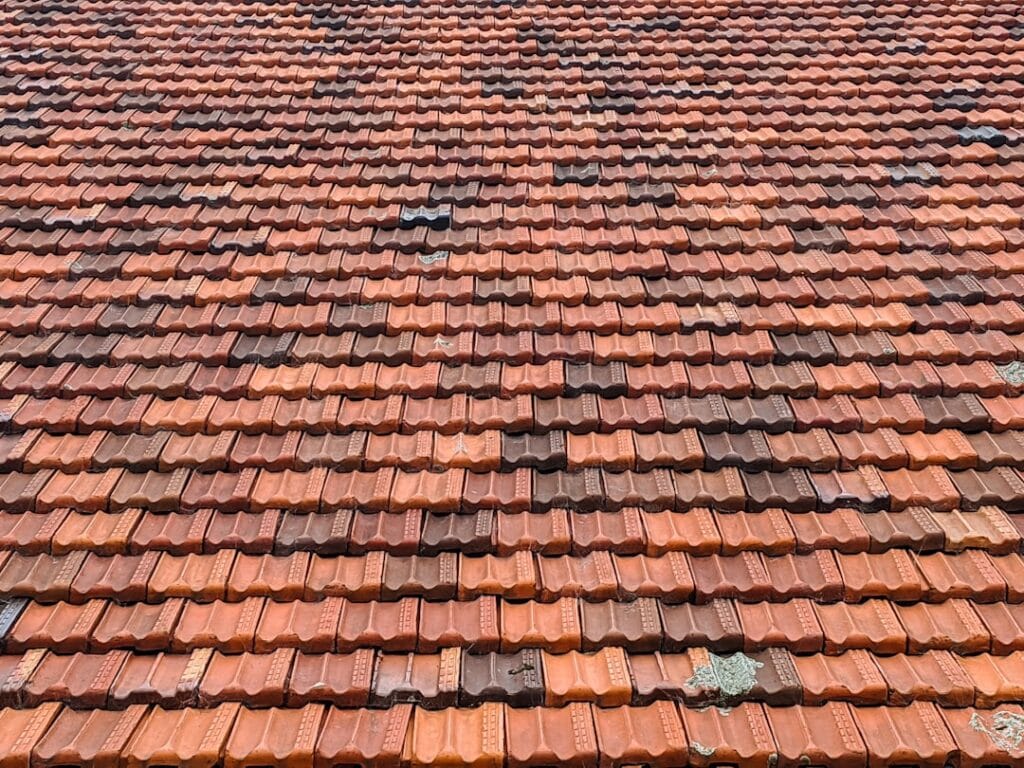
A Single Cracked Roof Tile Can Cost You Thousands — Here’s What to Do
Quick answer for homeowners who found a cracked roof tile:
- Stay off the roof — tile systems are not designed for foot traffic and you can cause more damage
- Check inside your home for water stains, musty odors, or damp insulation
- Inspect from the ground using binoculars to assess visible damage
- Document everything with photos before touching anything
- Call a licensed roofing contractor — a single cracked tile can expose the underlayment and trigger leaks, mold, and wood rot if left unaddressed
A cracked roof tile might look like nothing more than a hairline blemish from your driveway — but that small gap is all it takes for water to sneak past your roof’s outer layer and attack the sensitive underlayment beneath. Once moisture gets in, the damage compounds fast: rot, mold, and structural deterioration can follow within weeks, especially after a Texas or Oklahoma storm season. To protect your home from these costly issues, partnering with trusted local roofing experts ensures your property remains secure and dry.
Tile roofs are built to last. A well-maintained clay tile roof can protect your home for 50 to 100 years. But poor maintenance or ignored damage can cut that lifespan in half. One cracked tile left unrepaired doesn’t just shorten your roof’s life — it can turn a $200 fix into a $7,000 structural repair.
That’s why acting quickly matters. If you’re dealing with tile damage after a hail event, wind storm, or just noticed something off during a routine check, our roof repair specialists at The Roof Guys can help you assess the full scope of damage before it gets worse.
I’m Cash Walker, part of the leadership team at The Roof Guys — a Greater Houston roofing company with over 30 years of experience diagnosing and repairing every form of cracked roof tile damage across Texas and Oklahoma. In this guide, I’ll walk you through exactly what to do, step by step, so you can protect your home and make a confident, informed decision.
Easy cracked roof tile glossary:
Why a Cracked Roof Tile Demands Immediate Attention
A cracked roof tile is never just a cosmetic issue. To understand why a single broken tile is so dangerous, you must understand how a tile roofing system works.
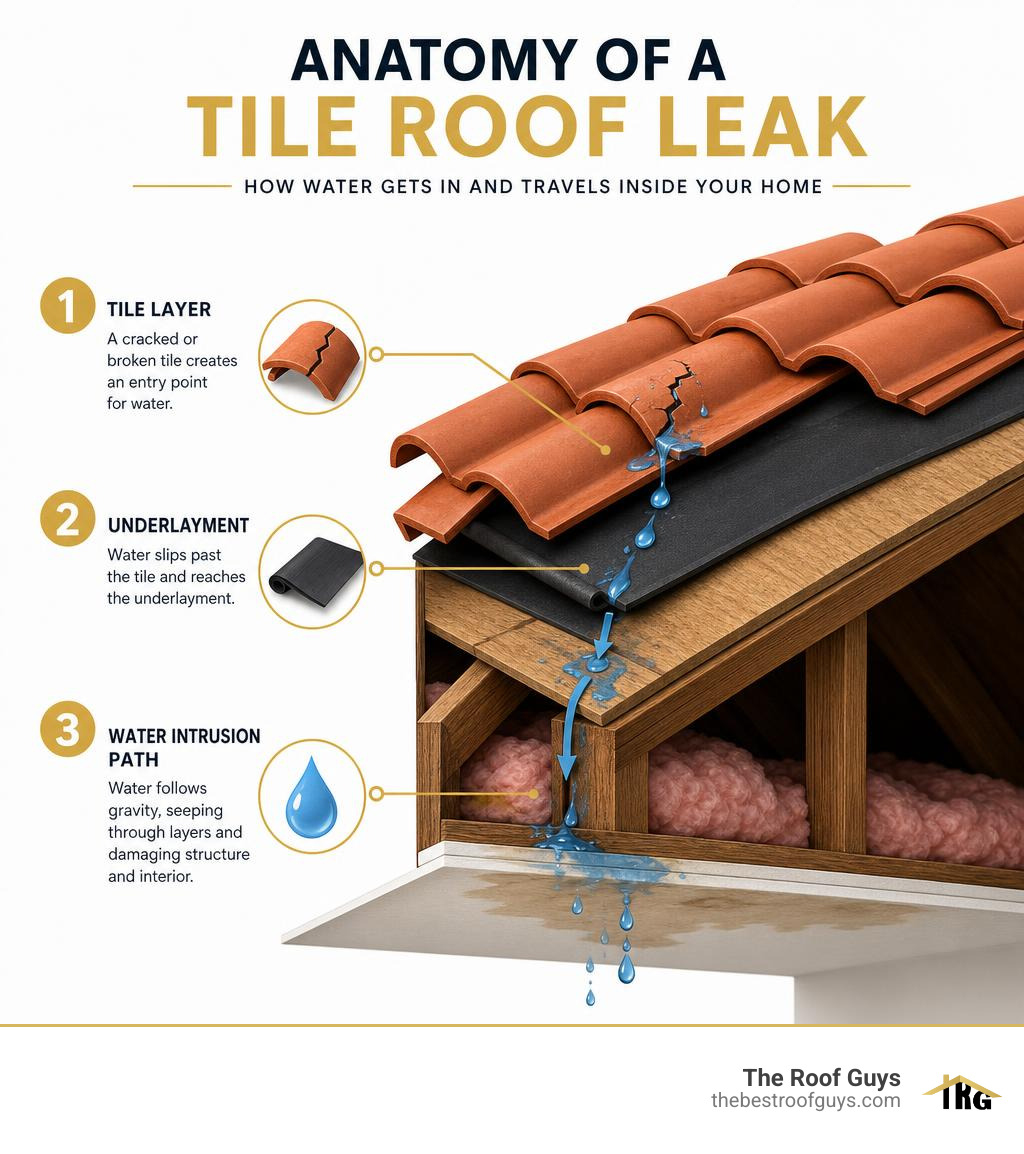
Many homeowners believe that the clay or concrete tiles are the primary waterproof seal of their home. In reality, tiles act as a highly durable, shedding outer shield. They deflect the vast majority of rainwater, wind, and harsh UV rays. However, the true waterproof barrier is the underlayment installed directly onto the wooden roof deck beneath the tiles.
When a tile cracks, slips, or breaks, it exposes this sensitive underlayment to direct sunlight and water. Over time, UV exposure degrades synthetic or organic felt underlayment, causing it to rot, crack, and fail. Once the underlayment is breached, water leaks directly into your attic, saturating your insulation and rotting the structural plywood decking.
If you ignore these early warning signs of roof damage, you invite several severe consequences:
- Rapid Wood Rot: Water traveling along the underlayment will eventually rot the wooden rafters and roof deck, compromising your home’s structural integrity.
- Toxic Mold Growth: Damp attic spaces with poor ventilation are breeding grounds for mold, which can spread to your ceiling and drywall within 24 to 48 hours.
- The Freeze-Thaw Cycle: In areas like Oklahoma City and Tulsa, winter temperatures frequently drop below freezing. Water that seeps into a hairline crack during the day will expand when it freezes at night, rapidly widening the crack and shattering the tile.
- Disrupted Drainage: Broken tiles can slide out of place, blocking valleys and channels. This causes water to pool and back up under surrounding tiles.
According to research on how broken tiles cause leaks, water can travel up to 20 feet along the underlayment before dripping through your ceiling, making the source of the leak incredibly difficult to find without professional roof leak detection equipment.
Common Causes of Tile Roof Damage
Tile roofs are incredibly tough, but they are not completely indestructible. In our service areas across Texas (including Houston, Pasadena, Conroe, The Woodlands, Spring, Katy, and Huntsville) and Oklahoma (including Tulsa and Oklahoma City), we see several recurring culprits behind cracked tiles:
1. Severe Storms and Hail Damage
Texas and Oklahoma are famous for extreme weather. Hailstones can easily crack or shatter clay and concrete tiles upon impact. High winds can also lift and shift tiles, breaking the interlocking seals and leaving them vulnerable to sliding.
2. Debris Impact
Overhanging tree branches are a constant threat. During heavy winds, falling limbs can strike your roof with enough force to crack even the thickest concrete tiles.
3. Thermal Expansion and Contraction
Extreme temperature swings—such as a scorching 100°F summer day in Houston followed by a sudden thunderstorm—cause tiles to expand and contract rapidly. Over years of exposure, this thermal stress can lead to hairline fractures, especially in older, more brittle tiles.
4. Accidental Foot Traffic
This is perhaps the most common human-caused reason for tile damage. Roof tiles are incredibly strong under distributed natural loads, but they are highly brittle under concentrated weight. Walking on a tile roof incorrectly will almost always result in cracked or broken corners.
If you own a home with older cement or Monier tiles, they require specialized care to prevent premature wear. You can read more about preserving these specific systems in our guide to cement and Monier tile roof care.
What to Do When You Discover a Cracked Roof Tile: 6 Immediate Steps
If you suspect you have a broken tile, panic shouldn’t be your first response—but safety and documentation should be. Follow these six steps immediately:

Step 1: Prioritize Safety by Staying Off the Roof
We cannot stress this enough: do not climb onto your tile roof. Not only are wet or dusty tiles incredibly slick, but walking on them will inevitably crack more tiles, turning a minor issue into a major repair. Furthermore, falling from a roof is highly dangerous. A medical study of emergency room admissions revealed that 93% of patients who fell from a roof were admitted to the hospital, and about one-third required intensive care unit (ICU) care. Let the pros handle the high-wire act.
Step 2: Check Indoors for Early Warning Signs
Perform an “inside-out” assessment. Walk through your home and inspect your ceilings and walls for:
- Yellow or brown water stains.
- Peeling paint or bubbling wallpaper.
- Damp insulation or musty odors in your attic.
- Active dripping during or immediately after a rainstorm.
Step 3: Visually Inspect the Roof from Ground Level
Grab a pair of binoculars and step back into your yard. Carefully scan your roof section by section. Look for tiles that are sitting lower than their neighbors, visible cracks, missing corners, or tiles that have slipped completely out of alignment. If you are in Conroe, you can monitor your roof for these visual signs to see what damage is common in your neighborhood.
Step 4: Identify the Scope of Damage
Determine if the damage is isolated or widespread. A single chipped corner on a lower tile is a simple fix. However, if you see multiple cracked tiles concentrated in one valley or along a ridge line, you may be dealing with systemic wind damage or structural shifting.
Step 5: Document the Damage
Take high-quality, clear photos from the ground using your phone or camera zoom. Document any interior water damage as well. This documentation is vital if you need to file an insurance claim or show your roofing contractor exactly what you are seeing.
Step 6: Schedule a Professional Assessment
Once you have documented the visible signs, it is time to call a licensed professional. Catching a cracked roof tile early will save you thousands of dollars in structural repairs down the line. You can easily schedule an inspection with our team to get a clear, honest evaluation of your roof’s health.
Step-by-Step DIY Repair for a Minor Cracked Roof Tile
If you have a single hairline crack on a low-pitched, easily accessible section of your roof, and you are fully comfortable with ladder safety, you can perform a temporary DIY repair using professional-grade roofing adhesive.
Tools and Materials Needed:
- Safety harness and ladder
- Wire brush
- High-quality, weather-resistant roofing adhesive/sealant
- Caulking gun
- Putty knife
The Process:
- Ensure Safety First: Always wear slip-resistant shoes, secure your ladder, and wear a safety harness anchored properly. Work only during dry, clear weather.
- Clean the Crack: Use a wire brush to thoroughly clean out any dirt, moss, or loose debris from the crack. Roofing adhesive will not bond to a dirty or damp surface.
- Apply the Adhesive: Load your roofing sealant into the caulking gun. Squeeze the adhesive deep into the crack, filling it completely from bottom to top.
- Smooth the Surface: Use a putty knife to smooth out the excess sealant so it sits flush with the tile surface.
- Allow to Cure: Most high-quality roofing adhesives dry to the touch in 2 to 4 hours, but they require 24 to 48 hours to fully cure depending on local humidity. Avoid disturbing the tile during this period.
Note: While DIY repairs are highly affordable—costing between $20 and $100 for materials—they are only temporary band-aids. For long-term durability and to protect your home’s warranty, a full tile replacement is always recommended. Keep up with regular checks by reviewing our expert roof maintenance tips.
When to Opt for Professional Replacement of a Cracked Roof Tile
While minor hairline cracks can sometimes be sealed, certain scenarios demand a complete tile replacement. Trying to patch a severely damaged tile is a recipe for future leaks.
You should opt for replacement instead of repair when:
- The tile is shattered: If a tile is broken into three or more pieces, adhesive will not hold it together against high winds.
- The underlayment is exposed: If you can see the black underlayment felt through the crack, the tile must be replaced immediately to prevent UV degradation.
- The tile is brittle and old: Old clay or concrete tiles lose their structural strength. Attempting to repair one will often cause it to crack again right next to the repair.
- The crack is in a water channel: If the crack is located in the interlocking channel where water flows, sealant will disrupt the drainage path and cause water to back up.
| Feature | DIY Tile Repair | Professional Tile Replacement |
|---|---|---|
| Average Cost | $20 – $100 | $200 – $500 |
| Durability | Temporary (1–3 years) | Permanent (decades) |
| Aesthetics | Visible sealant lines | Seamless color matching |
| Safety Risk | High (risk of falls/damage) | None for the homeowner |
| Warranty | None | Workmanship warranty included |
If you notice widespread damage across your entire roof system, it may be time to evaluate whether a full replacement is necessary. Check out our comprehensive signs you need roof replacement checklist to help you decide.
The Real Cost of Tile Roof Repairs in 2026
Understanding the costs associated with tile roof repairs can help you budget effectively and avoid surprises. In 2026, professional tile repair costs generally break down as follows:
- Single Cracked Roof Tile Repair: Typically ranges from $200 to $500. This covers the labor of safely sourcing a matching tile, removing the broken piece, checking the underlayment, and installing the new tile.
- Section Repair (Loose or Broken Tiles): Can cost anywhere from $300 to $1,800 depending on the size of the area and the accessibility of the roof.
- Major Structural and Underlayment Repairs: If water has leaked through and rotted the wood deck, repairs can range from $1,500 to over $7,000.
- The “Tile Leak Premium”: Because tile roofs require highly specialized handling, tile leak repairs can cost $100 to $500 more than repairs on standard asphalt shingle roofs.
Key Factors That Influence Your Repair Bill:
- Tile Material: Concrete tiles are generally more affordable to source and replace than premium clay, terracotta, or slate.
- Roof Pitch and Complexity: A steep, multi-gabled roof requires specialized safety equipment and more labor, which can add up to 20% to the overall cost.
- Underlayment Condition: If our team discovers that the underlayment beneath the cracked tile has rotted, we must perform a surgical “flash-and-fill” underlayment repair, which increases the scope of work.
To learn more about how we calculate our repair costs and what to expect during a professional service, visit our detailed roof repair cost guide.
Preventative Maintenance to Extend Tile Lifespan
The best way to handle a cracked roof tile is to prevent it from cracking in the first place. By following a consistent maintenance schedule, you can protect your investment and ensure your tile roof reaches its full 100-year potential.
- Clean Your Gutters Regularly: Clogged gutters cause water to back up under the eave tiles, rotting the starter boards. Clean your gutters every 3 to 6 months.
- Trim Overhanging Tree Branches: Keep tree limbs trimmed at least 6 to 10 feet away from your roof line to prevent debris impact during storms.
- Schedule Annual Inspections: Have a professional inspect your roof once or twice a year, especially after the spring storm season. Catching a slipped tile early prevents underlayment damage.
- Avoid Soft-Wash Cleaning with High Pressure: Never let an inexperienced cleaner use a high-pressure washer on your tile roof. High pressure can erode the surface of concrete tiles and easily break delicate clay pieces. Always opt for gentle, professional-grade soft-wash methods.
For more detailed strategies on preserving your roof after a professional installation, read our expert tips for maintaining your roof.
Frequently Asked Questions about Tile Roof Damage
Can I walk on my tile roof to inspect the damage?
No. You should never walk on your tile roof. Clay and concrete tiles are highly brittle and can easily crack under concentrated human weight. Walking on them incorrectly will cause more broken tiles and create a severe slip-and-fall hazard. Always inspect your roof from ground level using binoculars or hire a licensed professional who knows how to distribute their weight safely using walk boards.
How long does tile roof adhesive take to cure?
Most professional-grade roofing adhesives dry to the touch within 2 to 4 hours. However, a full cure typically takes 24 to 48 hours, depending on local temperature and humidity. It is highly recommended to apply adhesive only when dry weather is forecasted for at least two consecutive days.
Will homeowners insurance cover cracked roof tiles?
Yes, but coverage depends entirely on the cause of the damage. If your tiles were cracked due to a sudden, accidental event—such as a severe hail storm, high winds, or a fallen tree limb—your homeowners insurance policy will typically cover the repair costs. However, insurance will not cover damage caused by gradual wear and tear, lack of maintenance, or foot traffic from uncertified contractors. Be sure to document the damage immediately after a storm to support your claim.
Conclusion
A cracked roof tile might seem like a small issue today, but it is a ticking clock for water damage, rot, and mold. Taking fast, decisive action is the absolute best way to protect your home and save thousands of dollars in avoidable structural repairs.
At The Roof Guys, we specialize in providing ultra-fast, expert tile roof repairs and installations across Texas and Oklahoma. Whether you are dealing with storm damage in Houston, Conroe, Pasadena, The Woodlands, or Oklahoma City, our family-owned team is ready to respond. We back our workmanship with an industry-leading 10-year warranty, giving you complete peace of mind.
Don’t let a minor crack turn into a major headache. Schedule a professional roof repair with us today for immediate assistance!